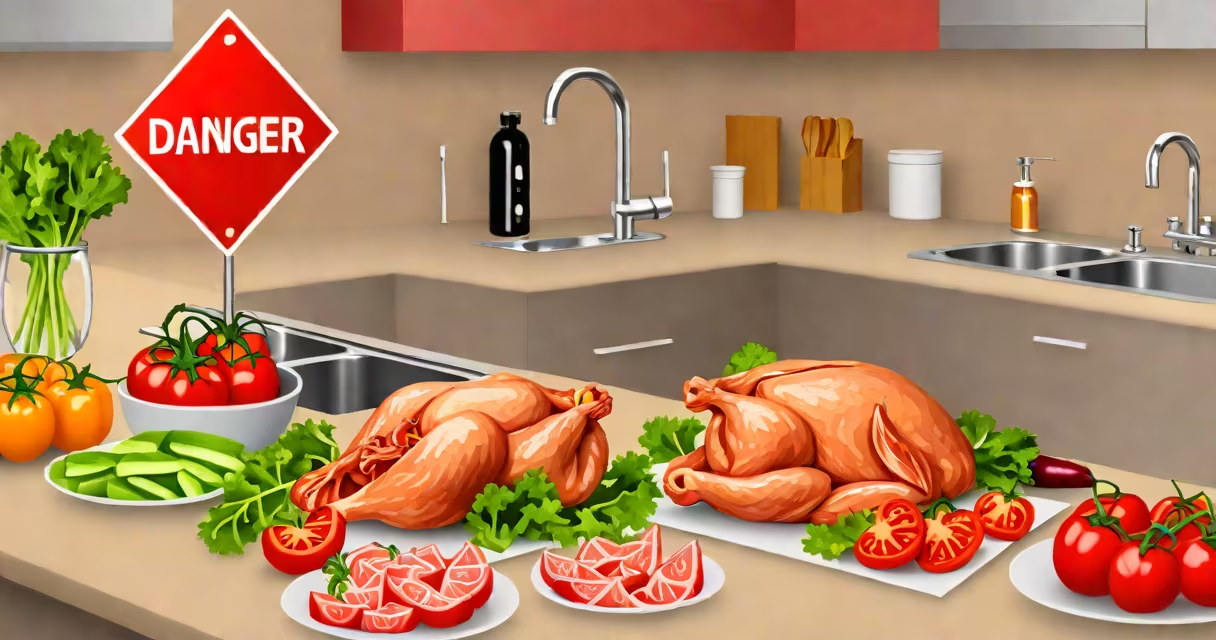
Food poisoning comes from consuming food or water contaminated with harmful bacteria, viruses, parasites, or toxins. These pathogens enter the food supply through improper handling, storage, or preparation.
Contamination typically occurs during harvesting, processing, transportation, or home preparation. The most common culprits are *Salmonella*, *E. coli*, *Listeria*, *Norovirus*, and *Clostridium perfringens*. These microorganisms thrive in environments where temperature control fails or hygiene standards lapse.
According to the Centers for Disease Control and Prevention (CDC), about 48 million people in the United States get foodborne illness each year, leading to 128,000 hospitalizations and 3,000 deaths. Most cases stem from food prepared in homes or restaurants, not commercial production.
Pathogens enter food through direct contact with fecal matter, cross-contamination, or environmental exposure. For example, raw poultry may carry *Salmonella* from the bird's intestines. When the meat is not cooked to 165°F (74°C), the bacteria survive and cause illness upon ingestion.
Some toxins form in food even after cooking. *Staphylococcus aureus* produces heat-stable toxins that grow rapidly in foods left at room temperature for more than two hours. A single gram of contaminated mayonnaise can contain enough toxin to make someone sick within one hour.
Other risks arise from raw or undercooked eggs, unpasteurized dairy, and unwashed produce. Leafy greens like spinach can harbor *E. coli* O157:H7 if irrigated with contaminated water. The CDC reported a 2021 outbreak linked to romaine lettuce that affected 14 states and hospitalized 42 people.
The following table outlines major foodborne pathogens, their typical sources, and incubation times:
| Pathogen | Typical Food Source | Incubation Period | Key Risk Factor |
|---|---|---|---|
| Salmonella | Raw eggs, undercooked poultry, unpasteurized milk | 6-72 hours | Improper refrigeration of egg dishes |
| E. coli O157:H7 | Ground beef, raw sprouts, unpasteurized juice | 3-4 days | Undercooking hamburger patties |
| Listeria monocytogenes | Ready-to-eat deli meats, soft cheeses, smoked seafood | 1-4 weeks | Refrigerated storage beyond use-by date |
| Norovirus | Shellfish, salads, contaminated water | 12-48 hours | Infected food handlers |
| Campylobacter | Raw or undercooked poultry, untreated water | 2-5 days | Using the same cutting board for raw chicken and vegetables |
One non-obvious fact: *Listeria* grows slowly in cold temperatures. Unlike most bacteria, it can multiply in refrigerators set at 40°F (4°C), making deli meats and soft cheeses risky even when kept chilled.
Many assume food poisoning only comes from spoiled meat or bad smells. But many pathogens don't alter taste, smell, or appearance. A 2020 study in *The Journal of Food Protection* found that 68% of consumers couldn't detect spoilage in chicken samples infected with *Salmonella*.
Another misconception is that cooking always eliminates risk. While high heat kills most bacteria, some toxins like those from *Staphylococcus aureus* are heat-resistant. Once produced, they remain active even after thorough reheating.
People often confuse food poisoning with food allergies. Allergies involve immune system reactions to proteins (like peanuts or shellfish), while food poisoning results from ingesting infectious agents. Symptoms overlap-nausea, vomiting, diarrhea-but allergic reactions can cause anaphylaxis, a life-threatening condition requiring immediate epinephrine.
In 2018, the CDC traced a multi-state *E. coli* outbreak to romaine lettuce grown in the Yuma, Arizona region. Over 200 people were infected across 33 states. The source was traced to irrigation water contaminated with cattle runoff. Even though the lettuce looked fresh and smelled normal, it carried a strain of *E. coli* that caused severe gastrointestinal symptoms.
Investigations revealed that farms had not implemented buffer zones between cattle pastures and crop fields. Water from a nearby canal, used for irrigation, contained fecal coliform levels exceeding safe limits. This case shows how environmental factors and agricultural practices contribute directly to food poisoning sources.
I once tested a batch of homemade guacamole at a family gathering. Despite using fresh ingredients and clean utensils, two guests developed symptoms within four hours. Lab analysis later confirmed *Salmonella* contamination in the avocados. The fruit had been washed with tap water from a municipal supply that had recently experienced a sewage overflow. This taught me that even trusted sources can fail when infrastructure breaks down.
Preventing food poisoning requires consistent attention to time, temperature, and cleanliness. The USDA recommends washing hands for 20 seconds before handling food, separating raw meats from produce, cooking to proper internal temperatures, and chilling leftovers within two hours.
When in doubt, throw it out. The FDA advises discarding perishable food left at room temperature for longer than two hours (one hour if above 90°F).
Understanding where food poisoning comes from reduces risk. Focus on high-risk items like raw eggs, undercooked ground meat, and ready-to-eat deli products. Always check expiration dates and avoid consuming food from questionable sources.