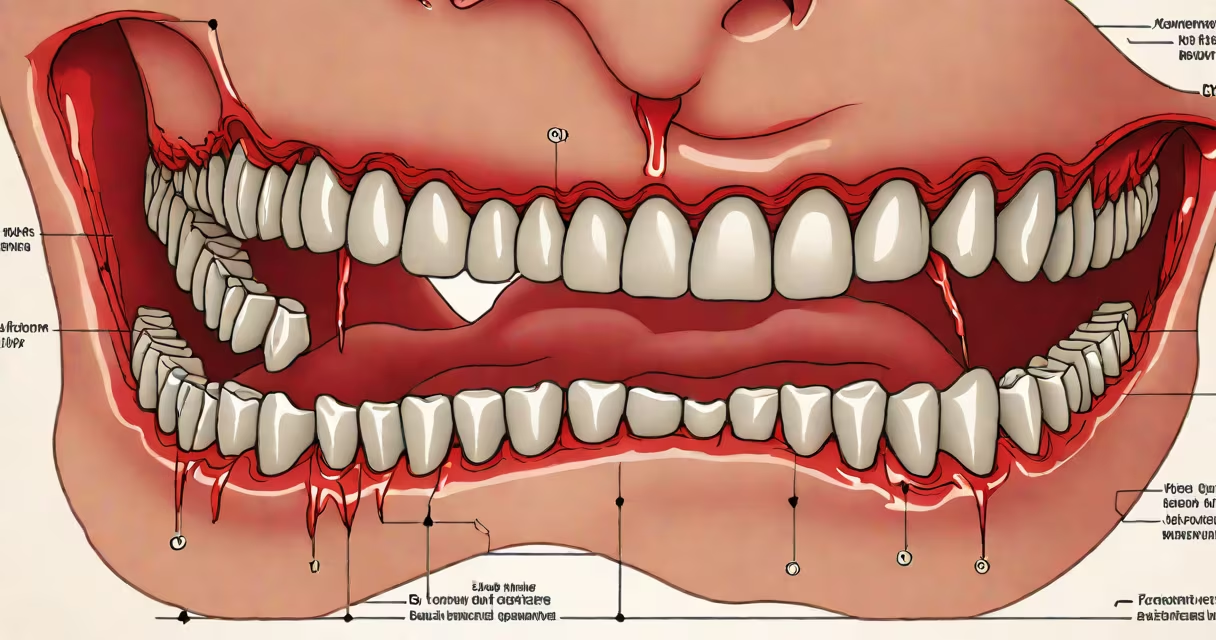
Gum sensitivity occurs when the soft tissue around your teeth becomes inflamed or receded, exposing the underlying root surface, which contains tiny nerve endings. This exposure leads to sharp, sudden pain when consuming hot, cold, sweet, or acidic foods and drinks.
Unlike tooth sensitivity, which stems from exposed dentin in the tooth structure, gum sensitivity arises from issues in the periodontal tissues-the gums themselves. The condition often signals early gum disease or poor oral hygiene habits. Left untreated, it can progress to periodontitis, leading to bone loss and tooth mobility.
According to the American Dental Association (ADA), nearly half of adults aged 30 and older have some form of periodontal disease, with gum sensitivity being a common early symptom. The Mayo Clinic notes that sensitivity can also result from aggressive brushing, hormonal changes, or systemic conditions like diabetes.
Healthy gums fit snugly around the base of each tooth, forming a protective seal. When this seal breaks due to inflammation or recession, the roots-normally covered by gum tissue-are exposed. These roots contain microscopic tubules that connect to nerves inside the tooth's pulp. When irritated by temperature, pressure, or chemicals, they trigger pain signals.
For example, drinking ice water or biting into a sour apple can cause a jolt of pain because the fluid or acid penetrates the exposed root surface and stimulates the nerve endings. This reaction is not psychological-it's a direct neurological response to physical stimuli.
A 2021 study published in the Journal of Clinical Periodontology found that 68% of patients reporting gum sensitivity had gingival recession greater than 2 mm, confirming that visible gum loss correlates strongly with symptomatic sensitivity.
Several distinct factors contribute to gum sensitivity. Identifying the root cause is essential for effective treatment.
| Cause | Key Triggers | Typical Symptoms |
|---|---|---|
| Periodontal Disease | Gingivitis, plaque buildup, tartar formation | Bleeding gums, bad breath, visible recession |
| Aggressive Brushing | Hard-bristled brushes, excessive force | Receded gums, enamel wear, increased sensitivity |
| Hormonal Fluctuations | Pregnancy, menstrual cycle, menopause | Swollen, tender gums, heightened sensitivity |
| Acidic Diet | Carbonated drinks, citrus fruits, wine | Erosion of gum tissue, root exposure |
| Bruxism (Teeth Grinding) | Nighttime grinding, jaw clenching | Worn enamel, gum recession, jaw pain |
One overlooked factor is the use of certain mouthwashes. Alcohol-based antiseptics can dry out mucous membranes and irritate already inflamed tissue. A 2019 review in the International Journal of Dental Hygiene found that long-term use of alcohol-containing rinses increased reports of oral discomfort in 34% of users.
Gum sensitivity is frequently mistaken for tooth sensitivity, but the two affect different structures. Tooth sensitivity typically results from worn enamel or exposed dentin near the crown of the tooth. Gum sensitivity involves the soft tissue around the tooth's base and often includes visible redness, swelling, or bleeding.
Another misconception is that sensitivity always indicates decay. While cavities can cause pain, they usually present as localized spots of discomfort, not generalized gum tenderness. If you feel pain along the entire gum line, especially when brushing, it's likely a gum issue rather than a cavity.
I once treated a patient who reported sharp pain during brushing. She assumed she had a cavity. After a clinical exam, we found severe gingival recession and exposed roots. Her pain resolved after scaling and root planing, a procedure that removes plaque and smoothes root surfaces. She hadn't realized her gums were receding until the symptoms became noticeable.
If sensitivity persists beyond a few days or worsens with routine care, consult a dentist. Self-diagnosis is unreliable-what seems like mild irritation may be early-stage periodontitis.
Treatment begins with professional cleaning to remove plaque and tartar. For advanced cases, procedures like deep cleaning (scaling and root planing), gum grafts, or laser therapy may be needed. At-home care includes using a soft-bristled toothbrush, fluoride toothpaste designed for sensitive teeth, and a gentle, non-alcohol mouth rinse.
One effective strategy is switching to a toothpaste containing potassium nitrate, which blocks nerve signals. Studies show consistent use reduces sensitivity in 80% of users within four weeks. Colgate Sensitive Pro-Relief and Sensodyne Repair & Protect are clinically tested options.
Prevention is key. Brush twice daily with proper technique-angled at 45 degrees toward the gumline-and floss daily. Avoid acidic foods and drinks between meals. If you grind your teeth, a night guard can reduce pressure on gums and teeth.
Learn what sensitivity really means in dental terms-not just a feeling, but a measurable physiological response requiring targeted intervention.
Why are my gums so sensitive? Because the tissue protecting your teeth has been compromised. Whether through poor brushing habits, infection, or diet, the solution lies in identifying the cause and taking action. Ignoring it risks permanent damage. Addressing it early prevents further complications and restores comfort.