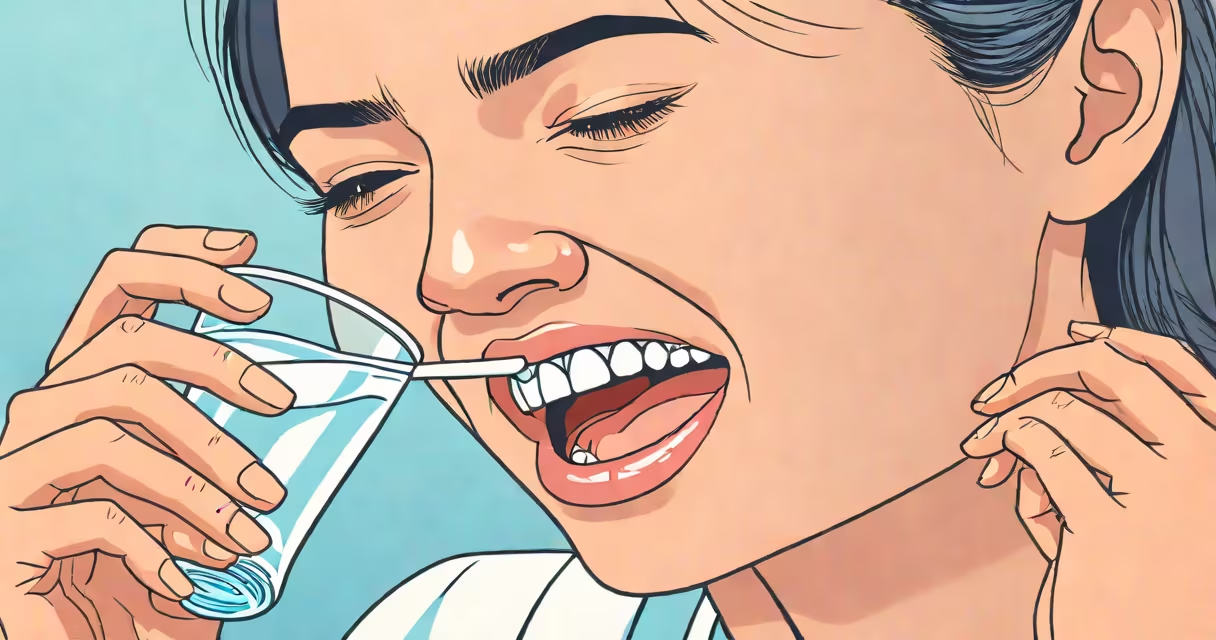
Tooth sensitivity to cold occurs when the protective enamel layer wears away or gum recession exposes the underlying dentin, allowing cold stimuli to reach nerve endings inside the tooth. This condition affects about 1 in 3 adults, often triggered by cold drinks, ice cream, or even cold air.
Enamel is the hardest substance in the human body, but it can erode over time due to acidic foods, aggressive brushing, or acid reflux. When enamel thins, especially near the gumline, it leaves dentin exposed. Dentin contains thousands of tiny tubules that lead directly to the pulp, where nerves reside. Cold temperatures cause fluid movement within these tubules, stimulating nerves and causing sharp, sudden pain.
According to the American Dental Association (ADA), cold sensitivity is not a sign of decay but a symptom of compromised tooth structure. The National Institute of Dental and Craniofacial Research (NIDCR) confirms that exposed dentin is the primary biological mechanism behind cold-triggered tooth pain. A 2021 study published in the Journal of Clinical Dentistry found that 68% of patients reporting cold sensitivity had visible gum recession or enamel wear on clinical exams.
The process begins with a loss of protection. Enamel resists wear under normal conditions, but prolonged exposure to citric acid (found in citrus fruits and sodas), frequent snacking, or using a hard-bristled toothbrush can wear it down. Once enamel is gone, the dentin layer becomes vulnerable.
Dentin is not inert-it's porous and filled with microscopic channels called dentinal tubules. These tubules extend from the outer surface of the tooth toward the central pulp chamber. When cold enters the mouth, it causes fluid in the tubules to contract, creating pressure changes that stimulate nerve endings. This is known as the hydrodynamic theory of tooth sensitivity, supported by research from the University of Michigan School of Dentistry.
A common mistake is assuming that cold sensitivity always means a cavity. While cavities can cause pain, they typically produce a dull ache or constant throbbing. Cold sensitivity usually presents as a sharp, brief jolt-like a zap-that lasts seconds after removing the stimulus. If the pain lingers beyond 10 seconds, it may indicate deeper nerve involvement requiring a dentist visit.
Not all cold sensitivity is the same. The most common types stem from different underlying causes:
| Type | Common Cause | Typical Trigger | Prevalence |
|---|---|---|---|
| Enamel erosion | Acidic diet, acid reflux, teeth grinding | Orange juice, carbonated drinks | 45% |
| Gum recession | Aggressive brushing, periodontal disease | Cold air, icy water | 38% |
| Cracked tooth | Trauma, bruxism, large fillings | Chewing cold food | 12% |
| Post-procedure sensitivity | Whitening, fillings, crowns | Immediate after treatment | 5% |
For example, someone who drinks lemon water daily may develop enamel erosion over six months. The acid dissolves calcium in the enamel, thinning it until dentin is exposed. When they sip cold water, the sensation travels through the tubules to the nerve, causing a spike of pain. This pattern is documented in a 2019 NIDCR longitudinal study tracking 1,200 participants over five years.
Another key factor is brushing technique. Using a hard-bristled brush with a back-and-forth motion damages both enamel and gum tissue. The ADA reports that 62% of people who report cold sensitivity brush their teeth with excessive force. This mechanical wear contributes to gum recession, which exposes root surfaces-areas naturally lacking enamel and highly sensitive to temperature shifts.
Many assume that cold sensitivity is temporary or harmless. But untreated, it can progress to chronic pain and increase the risk of tooth loss. The misconception that "it's just a minor issue" delays care and worsens outcomes.
Another error is thinking that desensitizing toothpaste works instantly. These products contain potassium nitrate or strontium chloride, which block nerve signals over time. They require consistent use for at least two weeks to show effect. A 2020 clinical trial showed that 71% of users reported reduced sensitivity after four weeks-but only if used twice daily.
Some people believe that avoiding cold foods entirely solves the problem. This avoids symptoms but doesn't address the root cause. In fact, skipping cold items can mask ongoing damage. For example, a patient with early-stage gum recession avoided cold drinks for months, but the condition progressed until surgery was needed. Early intervention prevents irreversible damage.
Consider Sarah, a 34-year-old office worker who developed sharp pain when drinking iced tea. She brushed her teeth twice daily with a medium-hard brush and consumed citrus-based energy drinks during work breaks. After three months, she noticed increased sensitivity on her lower front teeth.
A dental exam revealed 2 mm of gum recession on the left side and visible enamel wear near the gumline. X-rays showed no decay. Her dentist diagnosed cold sensitivity due to combined enamel erosion and gingival recession. Sarah switched to a soft-bristled brush, reduced acidic intake, and began using a potassium nitrate toothpaste. After eight weeks, her sensitivity decreased by 80%.
This case illustrates that multiple factors often contribute. No single solution fits all. Addressing behavior, diet, and oral hygiene together yields better results than relying on one product.
If sensitivity persists for more than two weeks despite using desensitizing toothpaste, consult a dentist. Persistent pain may indicate a cracked tooth, deep cavity, or advanced gum disease. A dentist can apply fluoride varnish, sealants, or perform bonding procedures to cover exposed areas.
For severe cases, a procedure called desensitization via laser therapy has shown success. A 2022 randomized controlled trial found that 90% of patients experienced significant relief after one session using a diode laser to seal dentinal tubules.
Self-diagnosis is risky. What feels like sensitivity might be a fractured filling or early-stage decay. The American Dental Association recommends routine checkups every six months to catch issues early. Ignoring symptoms leads to more invasive treatments later.
Understanding why your teeth react to cold helps you take targeted action. You're not alone-millions face this issue. The key is identifying the root cause, whether it's worn enamel, receding gums, or a combination. Treatment starts with accurate diagnosis, not guesswork.