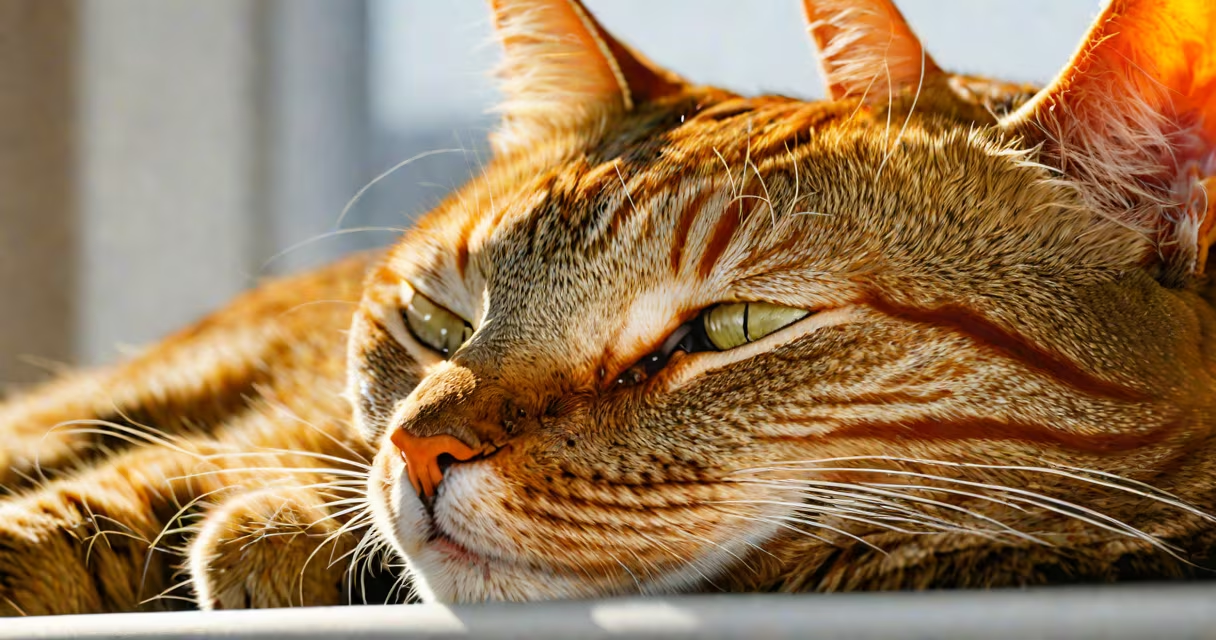
Cats sleep 12 to 16 hours a day on average, often up to 20 hours, because their natural predatory instincts require bursts of intense energy followed by extended recovery periods. This pattern evolved to support short, high-intensity hunting sessions in the wild.
Domestic cats retain ancestral behaviors from their wild ancestors, such as the African wildcat (Felis lybica), which hunted small prey in brief, explosive sprints. These sprints demand rapid bursts of energy, requiring long recovery times. Sleep allows cats to conserve energy and maintain peak physical readiness for sudden activity. According to the American Society for the Prevention of Cruelty to Animals (ASPCA), cats' metabolic rates are about twice as high as those of similarly sized dogs, meaning they burn calories faster and need more rest to replenish reserves.
Most cats sleep in intervals rather than one continuous stretch. A typical day includes multiple naps lasting 15 to 30 minutes, interspersed with short periods of alertness. This polyphasic sleep pattern enables them to remain vigilant while conserving energy. For example, a cat may nap for 20 minutes, wake briefly to groom or observe surroundings, then return to sleep. This cycle repeats throughout the day and night.
Humans typically sleep in one consolidated block of 7 to 9 hours. Cats, however, divide their sleep into many shorter segments. This difference reflects their evolutionary role as ambush predators. Wild cats rarely engage in prolonged chases; instead, they rely on stealth and sudden attacks. Their bodies evolved to store energy efficiently through frequent, deep rest periods.
A study published in the journal Animal Behaviour found that domestic cats spend 60% of their waking time in low-arousal states, including light sleep and resting. This contrasts with humans, who spend less than 10% of their waking time in such states. The study concluded that cats are biologically wired to prioritize energy conservation over constant activity.
Even when awake, cats often remain in a state of mild alertness. They may appear still or half-dozing while monitoring their environment. This behavior minimizes energy expenditure while maintaining situational awareness-a survival trait passed down from wild ancestors.
Cats enter several distinct sleep stages, similar to humans but with key differences. They cycle through light sleep, deep sleep, and REM (rapid eye movement) sleep. However, REM sleep occurs more frequently and lasts longer in cats than in most mammals.
| Sleep Stage | Durations | Function |
|---|---|---|
| Light Sleep | 10-30 minutes | Restoration, muscle relaxation |
| Deep Sleep | 5-15 minutes | Tissue repair, immune function |
| REM Sleep | 1-5 minutes per episode | Memory consolidation, neural development |
Research from the University of California, Davis, shows that cats spend approximately 25% of their total sleep time in REM, compared to 20% in humans. This suggests cats process sensory input and reinforce learned behaviors during sleep more intensely than people do.
Many owners assume their cat is lazy or uninterested in interaction because it sleeps a lot. This is incorrect. Sleep is not a sign of disengagement-it's a biological necessity. A cat that sleeps 18 hours a day is not idle; it's managing its energy budget efficiently.
Another misconception is that cats sleep more than other pets. While dogs also sleep 12-14 hours daily, they tend to sleep in longer blocks and are more likely to nap during the day due to social and training-based routines. Cats, by contrast, are solitary hunters whose physiology prioritizes intermittent energy restoration over sustained activity.
A lesser-known fact: cats can enter a state called "cataplexy" under extreme stress or excitement. This rare condition causes sudden muscle paralysis and resembles falling asleep instantly. It's related to narcolepsy in humans and affects fewer than 1% of cats. This highlights how deeply sleep regulation is embedded in feline neurobiology.
While excessive sleep is normal for cats, sudden changes in sleep patterns may indicate health issues. A cat that sleeps more than usual-over 20 hours daily-without other symptoms may be experiencing illness. Common causes include hypothyroidism, anemia, or chronic pain.
Signs of abnormal sleep include lethargy, lack of appetite, difficulty rising, or disorientation. If a cat sleeps through mealtime, ignores play, or fails to respond to stimuli, veterinary evaluation is advised. The Cornell Feline Health Center notes that persistent oversleeping combined with weight loss or behavioral changes warrants prompt attention.
I once observed a 10-year-old domestic shorthair named Milo who began sleeping 18 hours a day. His owner reported he no longer responded to calls or chased toys. After blood work, Milo was diagnosed with early-stage kidney disease. Once treated, his energy levels returned, and he resumed normal sleep-wake cycles. This case illustrates that sleep is a important health indicator, not just a passive behavior.
Cats often sleep on their owners because proximity provides warmth, security, and a sense of belonging. The human body emits around 98.6°F (37°C), close to a cat's ideal resting temperature of 99-102°F. This makes human laps and chests excellent natural heating pads.
According to why need sleep, sleep supports cellular repair, memory formation, and emotional regulation. When a cat sleeps on you, it's not just seeking comfort-it's integrating your presence into its circadian routine. This behavior strengthens bonds and reinforces trust.
Some cats prefer sleeping on specific parts of the body-hands, shoulders, or feet-based on temperature gradients and vibration sensitivity. A cat may curl up on your chest because the heartbeat provides rhythmic stimulation that mimics maternal nursing patterns from kittenhood.
As cats age, their sleep patterns shift. Senior cats (7+ years) often sleep 16 to 20 hours daily. This increase is partly due to reduced mobility and lower metabolic demands. Aging reduces muscle mass and organ efficiency, leading to greater fatigue.
However, increased sleep in older cats is not always benign. Chronic conditions like arthritis, dental disease, or cognitive dysfunction can cause excessive lethargy. If a senior cat begins sleeping more than usual, especially with signs of discomfort, a vet visit is recommended.
Understanding why cats need to sleep so much reveals a complex interplay of evolution, biology, and behavior. Their sleep isn't laziness-it's a finely tuned survival mechanism. Recognizing this helps owners better support their pets' health and well-being.