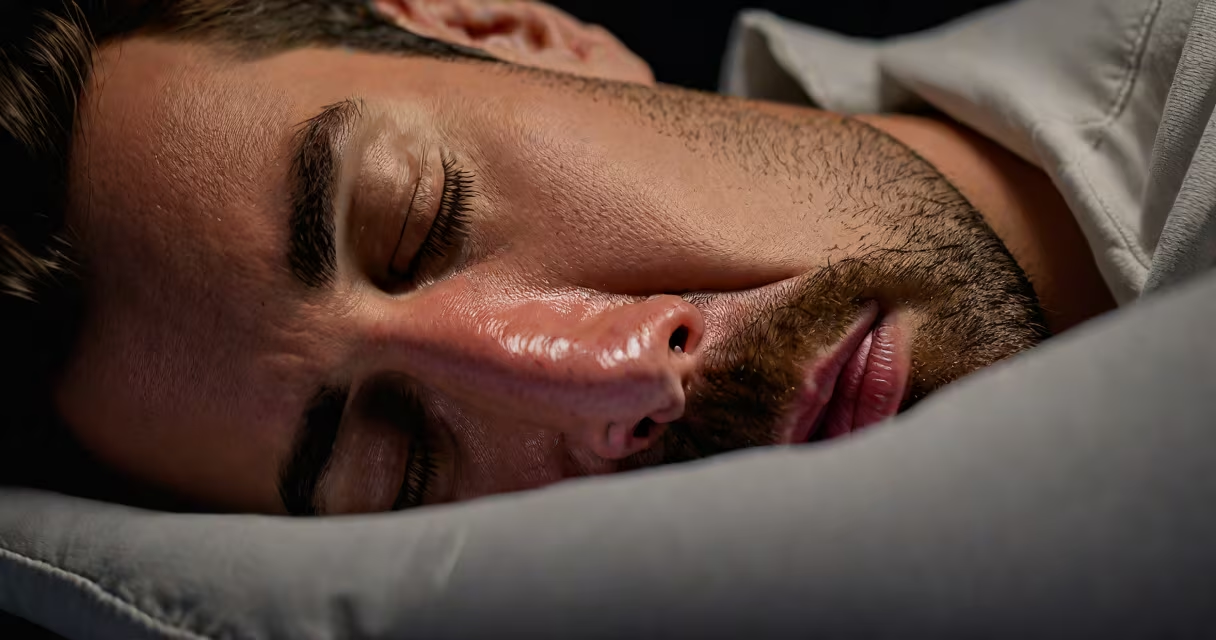
Excessive drooling at night, medically known as nocturnal sialorrhea, occurs when saliva accumulates in the mouth during sleep and leaks out. This can result from altered sleep posture, oral anatomy, or underlying medical conditions affecting the nervous system or digestive tract.
Drooling happens when the muscles controlling the mouth relax during sleep, reducing the ability to swallow saliva. Normally, people produce about 1 to 1.5 liters of saliva daily, with most secretion occurring during wakefulness. During sleep, production drops by 50%, but if swallowing mechanisms fail due to poor positioning or neuromuscular dysfunction, saliva pools and exits the mouth.
While occasional drooling is normal-especially in side or stomach sleepers-the condition becomes problematic when it disrupts sleep, stains bedding, or indicates an underlying issue. The American Academy of Sleep Medicine notes that persistent nighttime drooling affects approximately 10% of adults with sleep disorders, particularly those with obstructive sleep apnea or gastroesophageal reflux disease (GERD).
Sleep involves cycles of muscle relaxation, especially in the face and jaw. As the body enters deeper stages of non-REM and REM sleep, the muscles that keep the mouth closed weaken. This reduces the efficiency of the swallowing reflex, which normally clears saliva every 10 to 20 seconds during wakefulness.
When the swallowing mechanism fails during sleep, saliva builds up. The mouth's natural seal breaks, allowing fluid to escape. This is more likely in individuals who breathe through their mouths during sleep, have enlarged tonsils, or sleep on their side or stomach.
A 2021 study published in *Sleep Medicine* found that 68% of patients reporting excessive drooling had a history of nasal obstruction or chronic mouth breathing. The researchers linked this to reduced pharyngeal pressure, which impairs the ability to maintain oral closure during sleep.
Several factors contribute to increased drooling at night. These fall into three categories: anatomical, physiological, and pathological.
| Type | Examples | Prevalence |
|---|---|---|
| Anatomical | Enlarged tongue, high palate, misaligned jaw | ~15% of cases |
| Physiological | Mouth breathing, supine/side sleeping, acid reflux | ~60% |
| Pathological | Neurological disorders, medication side effects, infections | ~25% |
Anatomical causes include structural features that make it difficult to keep the mouth shut. A large tongue or narrow airway can force the mouth open during sleep. People with Down syndrome or cerebral palsy often experience this due to hypotonia and altered facial structure.
Physiological causes are the most common. Mouth breathing during sleep increases saliva leakage because the mouth remains open. Acid reflux can stimulate excess salivation as a protective response. The Mayo Clinic reports that 30% of GERD patients experience increased salivation at night, often waking with a sour taste.
Pathological causes include neurological conditions such as Parkinson's disease, stroke, or Bell's palsy. These impair motor control of facial muscles and reduce the ability to manage saliva. Certain medications-antipsychotics, antidepressants, and antihypertensives-also increase salivation as a side effect.
Many mistake nighttime drooling for signs of infection or dental decay. However, drooling itself is not a symptom of tooth decay. Instead, it may indicate dry mouth (xerostomia), which leads to compensatory overproduction of saliva. This paradoxical response occurs when salivary glands try to offset low moisture levels.
Another frequent misunderstanding is equating drooling with sleep apnea. While both can coexist-especially in people with obesity or enlarged tonsils-they are distinct. Sleep apnea causes interrupted breathing, not increased saliva. However, the effort to reopen the airway during apneic events can trigger salivation and lead to drooling.
A key distinction is between normal and abnormal drooling. Normal drooling occurs occasionally and doesn't affect sleep quality. Abnormal drooling involves consistent pooling of saliva, wetting of the pillow, or waking with a dry mouth. The latter suggests a functional or medical issue.
In a clinical case documented by the National Institute of Neurological Disorders and Stroke (NINDS), a 42-year-old man reported drooling nightly for six months. He slept on his side, snored heavily, and woke with a dry mouth. An overnight polysomnography revealed moderate obstructive sleep apnea (AHI = 14 events/hour) and frequent mouth breathing episodes.
After using a continuous positive airway pressure (CPAP) device, his drooling decreased by 80% within four weeks. His sleep quality improved, and he no longer needed to change bedding nightly. This illustrates how treating the root cause-airway obstruction-can resolve secondary symptoms like drooling.
Another example involved a 65-year-old woman taking a new blood pressure medication. She began drooling at night after starting the drug. Her doctor identified the medication as a known cause of sialorrhea. Switching to an alternative reduced her symptoms within a week.
Consult a healthcare provider if drooling persists despite changing sleep positions or improving oral hygiene. Red flags include waking with a sore throat, difficulty swallowing, or frequent choking during sleep. These may indicate silent aspiration or GERD.
The American Dental Association recommends evaluating drooling in children under 5 years old, as it may signal developmental delays or oral motor dysfunction. In adults, persistent drooling warrants a neurologic or ENT evaluation if associated with facial weakness, tremors, or speech changes.
Understanding why you drool so much at night begins with tracking patterns: frequency, pillow stains, sleep position, and medication use. Simple adjustments-like switching to back sleeping or using a chin strap-can reduce drooling in mild cases. But when drooling interferes with rest or daily life, medical input is essential.
Recognizing the difference between normal saliva flow and pathological drooling prevents unnecessary anxiety. Addressing the root cause-whether it's sleep apnea, medication, or neurological function-leads to better sleep and improved comfort. Why do I drool so much at night? Often, it's not just about saliva-it's about what the body is trying to tell you.