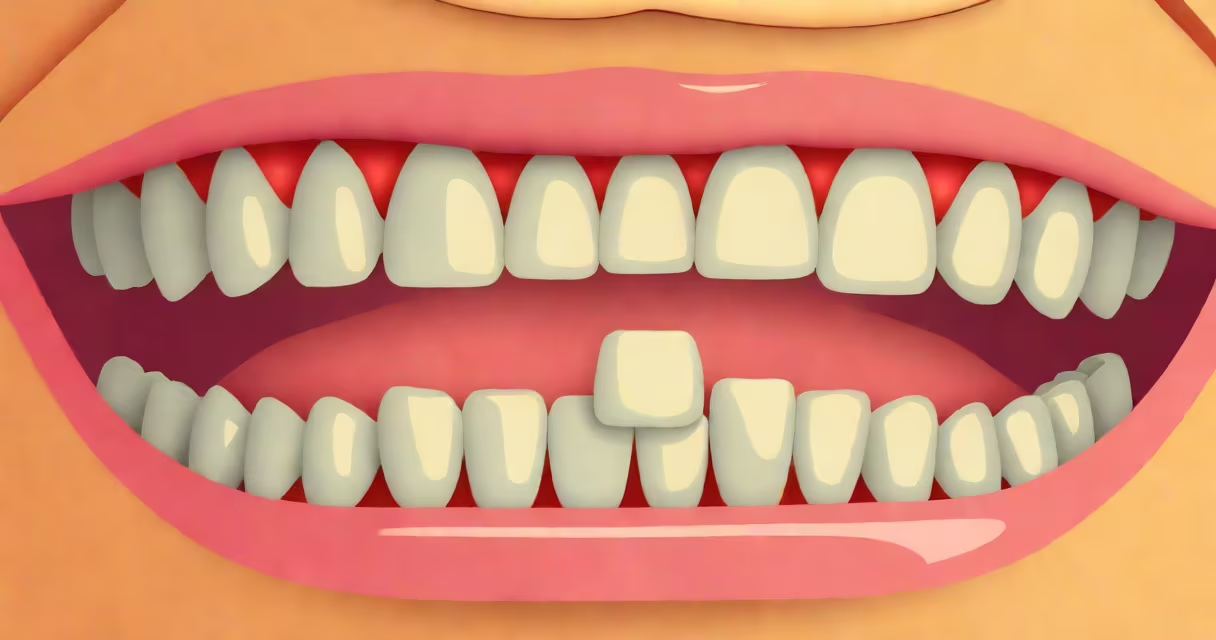
Tooth loss occurs when the structures supporting teeth-gums, periodontal ligaments, and jawbone-deteriorate due to infection, decay, injury, or systemic conditions. It is not a natural part of aging, though risk increases with age.
Teeth stay in place through a complex system of soft and hard tissues. The periodontal ligament connects the tooth root to the alveolar bone. Gums protect the base of the tooth and form a seal against bacteria. When this system fails, teeth loosen and eventually fall out. The most common cause is advanced periodontal disease, which accounts for nearly 70% of adult tooth loss cases, according to the American Dental Association (ADA).
Other contributors include untreated tooth decay that reaches the pulp and causes abscesses, traumatic injury from accidents or sports, and systemic issues like uncontrolled diabetes or autoimmune disorders. Some medications reduce saliva flow, increasing cavity risk. Smoking accelerates gum tissue breakdown and reduces healing capacity.
Tooth loss follows a predictable sequence. It begins with gingivitis-swollen, bleeding gums-often unnoticed due to lack of pain. Left untreated, it advances to periodontitis, where pockets form between the tooth and gum, allowing bacteria to invade the bone. Once bone support drops below 50%, teeth become mobile. By the time a tooth falls out, significant structural damage has already occurred.
A 2021 study published in the Journal of Clinical Periodontology found that individuals with moderate to severe periodontitis had a 3.6 times higher risk of losing teeth compared to those with healthy gums. The study tracked 1,200 adults over five years and confirmed that early treatment reduced tooth loss by 68%.
Even after a tooth falls out, the jawbone continues to resorb. Without stimulation from chewing, bone volume decreases by about 25% in the first year and up to 40% within five years. This leads to facial collapse, altered bite, and difficulty eating.
Not all tooth loss happens the same way. The underlying cause determines the pattern and urgency of treatment.
| Type | Primary Cause | Typical Age Group | Reversible? |
|---|---|---|---|
| Gum disease (periodontitis) | Bacterial plaque buildup leading to bone loss | 30s-60s | Yes, if caught early |
| Tooth decay (caries) | Acid erosion from sugar and poor hygiene | Children to middle-aged adults | Yes, if cavity is small |
| Trauma (accidents, sports injuries) | Direct impact fracturing or displacing teeth | All ages, peak in teens and young adults | Partial recovery possible with prompt care |
| Systemic disease (diabetes, osteoporosis) | Reduced blood flow, impaired healing | Over 50 | No, but management slows progression |
One non-obvious fact: tooth loss from periodontitis often starts with a single tooth, not multiple. A 2019 analysis from the National Institute of Dental and Craniofacial Research (NIDCR) showed that 41% of patients lost their first tooth due to localized periodontal infection, not generalized gum disease.
Another misconception is that loose teeth always hurt. Many people report no pain until the tooth is nearly gone. This delays treatment. I once saw a patient who lost two molars over six months-she didn't notice until she couldn't chew steak. By then, bone loss was irreversible.
People often mistake tooth loss for normal aging. But research shows that 90% of adults aged 65+ still have at least one natural tooth. The key difference is access to care. Those with regular dental visits lose fewer teeth over time.
Some believe that brushing harder cleans better. Aggressive brushing damages enamel and wears down gum tissue, accelerating recession. The ADA recommends using a soft-bristled brush and gentle circular motions, not scrubbing.
Another myth: "If I don't feel pain, my teeth are fine." Pain is a late warning sign. By the time discomfort appears, the infection may have destroyed 30-50% of the supporting bone. Early detection through routine exams prevents most avoidable tooth loss.
When a tooth is lost, the gap doesn't stay empty. Adjacent teeth drift into the space. Opposing teeth grow longer. This alters the bite, causing uneven wear and joint strain. Over time, this leads to TMJ dysfunction and chronic headaches.
Restoration options include dentures, bridges, and implants. Implants are the closest to natural function. They integrate with the jawbone via osseointegration-a process where bone grows around the titanium post. Success rates exceed 95% when placed by experienced clinicians, per the International Congress of Oral Implantologists.
Ignoring tooth loss leads to long-term consequences. A 2020 longitudinal study in the journal *BMC Oral Health* found that individuals who lost teeth without replacement had a 3.2-fold increase in risk of developing dementia over 15 years. Researchers suggest that reduced chewing ability may affect brain blood flow and cognitive function.
Early action stops the cycle. If you notice a tooth wobbling, see a dentist within two weeks. Treatment may include scaling and root planing, antibiotics, or splinting. In some cases, extraction is necessary-but timely intervention preserves adjacent teeth and bone.
Prevention starts with daily brushing, flossing, and biannual dental checkups. Limit sugary drinks and acidic foods. Quit smoking. Manage chronic conditions like diabetes. These steps reduce the risk of why your teeth fall out.