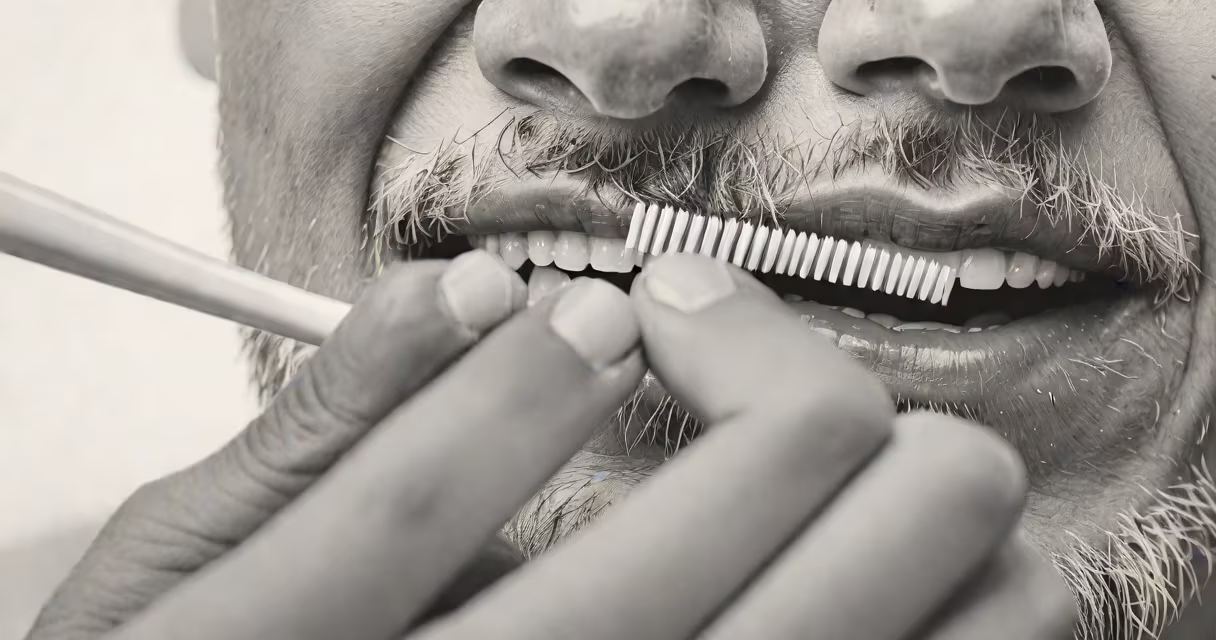
Tooth pain during brushing typically results from exposed dentin due to worn enamel or receding gums. This exposure allows stimuli like cold water, hot food, or brushing pressure to reach nerve endings inside the tooth, triggering sharp discomfort.
Dentin is the layer beneath enamel and cementum. When it's exposed, even mild mechanical force-like brushing-can send pain signals to the brain. The sensation is often described as a sudden, electric jolt rather than a dull ache. It's not normal to feel pain while brushing and should not be ignored.
According to the American Dental Association (ADA), about 37% of adults report experiencing tooth sensitivity at some point. The condition is more common in people aged 30 to 50, though it can occur at any age. Sensitivity doesn't always indicate decay-it can stem from lifestyle habits, oral hygiene products, or underlying dental conditions.
Enamel protects the crown of the tooth. Cementum covers the root. When either wears away, the underlying dentin becomes accessible. Dentin contains microscopic tubules that lead directly to the pulp, where nerves reside. When these tubules are exposed, external stimuli travel through them and activate nerve endings.
For example, cold water hitting a sensitive tooth triggers fluid movement within the tubules. This shift stimulates nerves, causing a brief but intense pain response. The same happens with acidic foods, air exposure, or even the pressure of a toothbrush bristle.
A 2021 study published in the Journal of Clinical Dentistry found that 68% of patients with reported tooth sensitivity had visible signs of enamel erosion or gingival recession upon clinical examination. This confirms that physical exposure of dentin is the primary mechanism behind brushing-related pain.
Several factors contribute to dentin exposure. The most frequent include aggressive brushing, acid erosion from diet or acid reflux, gum disease, and dental procedures like whitening or fillings.
Aggressive brushing-especially with hard bristles-can wear down enamel and pull back gum tissue over time. A 2019 review in the British Dental Journal noted that using a horizontal scrubbing motion damages both enamel and gums. The recommended technique is a gentle circular motion with a soft-bristled brush.
Acidic foods and drinks (soda, citrus fruits, wine) lower oral pH, weakening enamel. Over time, this leads to surface loss. People with gastroesophageal reflux disease (GERD) may experience chronic acid exposure, accelerating enamel erosion even without frequent consumption of acidic beverages.
| Cause | How It Exposes Dentin | Prevention |
|---|---|---|
| Hard-bristled brushes | Scrapes away enamel and pushes gums back | Use soft bristles; brush gently |
| High-acid diet | Weakens enamel over time | Limit acidic foods; rinse with water after |
| Gum disease | Recession exposes root surfaces | Treat periodontitis early; regular cleanings |
| Tooth grinding (bruxism) | Wears down enamel, especially at night | Use a night guard; reduce stress |
One non-obvious factor is the use of certain toothpastes. Some whitening or tartar-control formulas contain abrasive agents like silica or sodium lauryl sulfate. These can increase enamel wear over months of daily use. The ADA cautions against long-term use of high-abrasion toothpastes unless prescribed.
Not all brushing pain comes from dentin exposure. Sometimes, pain indicates deeper issues such as cavities, cracked teeth, or infected pulp. A cavity near the gumline can cause sharp pain when brushing because the decayed area is close to the nerve.
Cracked teeth may not show visible fractures but can develop micro-fractures under pressure. The pain often occurs only during biting or brushing. A 2020 study in the Journal of Endodontics found that 22% of patients with unexplained tooth pain had undiagnosed cracks on radiographs.
Also, post-procedural sensitivity after fillings, crowns, or cleanings is common but usually resolves within 2-4 weeks. If it persists beyond that, it may signal an issue with the restoration or underlying infection.
I once observed a patient who reported constant pain when brushing. Initial diagnosis suggested sensitivity. But after a detailed exam, we found a small crack in a molar that wasn't visible on standard X-rays. Only a cone-beam CT scan revealed the fracture. After a root canal, the pain stopped. This case illustrates why persistent pain shouldn't be assumed to be simple sensitivity.
Start by switching to a soft-bristled toothbrush and using a gentle, circular brushing motion. Avoid horizontal scrubbing. Brush for two minutes twice daily, not longer.
If pain continues after two weeks of proper brushing and desensitizing paste, see a dentist. They can assess for cavities, gum recession, or cracks. Treatment options include fluoride varnishes, bonding agents, or in severe cases, surgical gum grafts.
Do not ignore persistent pain. Delaying care increases the risk of irreversible damage. The American Dental Association recommends routine checkups every six months to catch issues early. Even if you're not in pain, regular exams detect problems before symptoms appear.