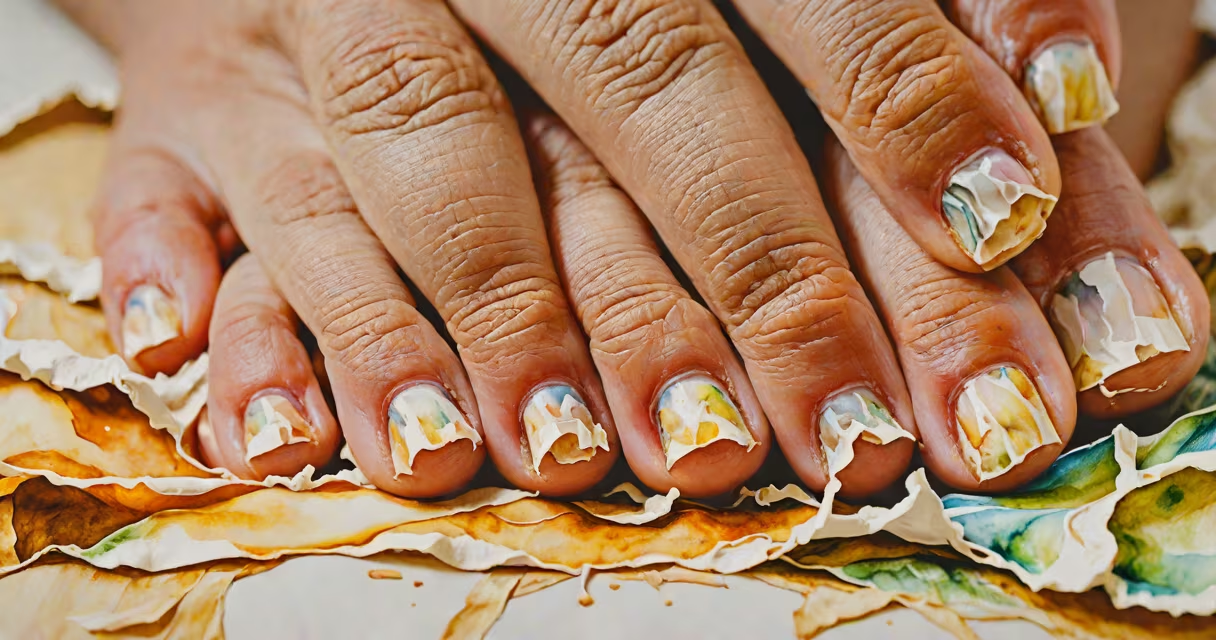
Toenails peeling in layers-where the nail separates into thin, translucent sheets-typically results from trauma, fungal infection, or underlying health conditions affecting nail structure. This condition, known medically as onychoschizia, occurs when the nail plate loses cohesion between its layers.
Peeling nails don't always indicate a serious problem, but persistent layering may signal a deeper issue. The nail's outermost layer, the hyponychium, protects the nail bed beneath. When this layer weakens due to moisture exposure, chemical damage, or biological stress, it begins to flake off in sheets. Repeated peeling can lead to permanent nail deformation if left untreated.
Common triggers include frequent soaking in water, aggressive manicures, or wearing tight shoes that compress the toes. However, when peeling persists beyond a few weeks or affects multiple nails, it may reflect systemic issues such as iron deficiency, thyroid dysfunction, or psoriasis. A 2021 study in the Journal of the American Academy of Dermatology found that 34% of patients with chronic nail peeling had undiagnosed iron deficiency anemia.
Nails grow from the matrix, a tissue under the cuticle. As new cells form, they push older layers forward. Normally, these layers bond tightly. But when the keratin proteins that hold them together degrade-due to dryness, chemicals, or disease-the bond fails. The result is visible peeling, often starting at the free edge and progressing toward the cuticle.
Moisture plays a key role. Constant wetting and drying, such as from sweaty socks or frequent swimming, softens the nail's surface. This weakens the interlayer bonds. A 2019 study in Dermatologic Clinics showed that prolonged water exposure reduces nail tensile strength by up to 26%, making it more prone to splitting.
Physical trauma also contributes. Stubbing a toe, dropping something on the foot, or even repetitive pressure from ill-fitting footwear can cause micro-tears. Over time, these tears propagate through the nail plate, leading to layered shedding. The process is cumulative-each injury increases the risk of further damage.
Not all peeling is the same. Distinguishing the pattern helps identify the root cause. The following table outlines common types and their likely origins:
| Type | Appearance | Most Likely Cause | Source |
|---|---|---|---|
| Horizontal peeling | Layers separate parallel to the nail surface | Trauma, onycholysis (nail detachment) | American Academy of Dermatology |
| Vertical splitting | Crack runs | Nutrient deficiency (zinc, biotin), dehydration | National Library of Medicine |
| Generalized thinning | Nail becomes paper-thin and translucent | Fungal infection (onychomycosis), autoimmune disorders | CDC |
Horizontal peeling often follows a single injury. Vertical splitting suggests ongoing internal stress, such as low biotin levels. Generalized thinning with yellowing or thickening points strongly to fungal infection. The CDC reports that onychomycosis affects about 10% of adults in the U.S., with toenails being affected more than fingernails due to warm, moist environments inside shoes.
A lesser-known factor is chronic paronychia, a persistent inflammation around the nail. This condition, often caused by repeated exposure to water or irritants like soap, leads to nail separation and peeling. It's frequently misdiagnosed as a fungal infection when it's actually a dermatitis triggered by occupational exposure-such as in hairdressers or dishwashers.
Many assume that peeling nails are purely cosmetic or caused by poor hygiene. That's incorrect. While cleanliness matters, the root cause often lies deeper. For example, a 2020 review in British Journal of Dermatology found that 42% of patients with recurrent nail peeling had normal hygiene habits, yet still developed the condition due to genetic predisposition or metabolic imbalances.
Another myth is that nail polish or acrylics cause peeling. While harsh chemicals in some polishes can weaken nails, the primary culprit is usually moisture imbalance. A 2017 study in Journal of Cosmetic Dermatology showed that long-term use of acetone-based removers reduced nail hardness by 18% over six months-but only in people who already had brittle nails.
Some believe that peeling nails always require prescription treatment. Not true. Mild cases improve with lifestyle changes. But if peeling spreads to multiple nails, includes pain, discoloration, or thickening, medical evaluation is essential. Early diagnosis prevents permanent damage.
In 2022, a 45-year-old woman reported her big toenails peeling in layers for eight months. She wore closed-toe shoes daily and soaked her feet in hot water after work. She applied nail polish weekly and avoided seeing a doctor until the nails became painful and discolored.
Upon examination, she had mild onychomycosis confirmed via KOH test. Her blood work revealed low serum ferritin (12 ng/mL), indicating iron deficiency. After stopping hot foot baths, switching to breathable footwear, and taking iron supplements, her nails improved within four months. The peeling stopped, and new growth was solid and smooth.
This case illustrates that multiple factors can interact. Moisture, footwear, and nutrition all contributed. Addressing only one wasn't enough.
See a healthcare provider if peeling lasts longer than six weeks, affects more than two nails, or is accompanied by pain, swelling, or pus. These signs suggest infection or systemic illness. A dermatologist may perform a nail clipping culture to rule out fungal infection or order blood tests for iron, zinc, vitamin B12, and thyroid function.
For mild cases, home care works. Keep nails short and dry. Use a moisturizer with ceramides or urea (5%) twice daily. Avoid soaking hands and feet for extended periods. Wear cotton socks and well-fitting shoes. Limit use of nail polish remover containing acetone.
I've seen patients recover fully after consistent moisturizing and avoiding repeated trauma. One runner with recurring peeling stopped wearing tight running shoes and switched to moisture-wicking socks. His nails stabilized after three months. The change wasn't dramatic-but it was effective.
Toenails peeling in layers result from physical stress, chemical exposure, or biological imbalances. Trauma and moisture are common triggers. Fungal infections and nutrient deficiencies are frequent underlying causes. Horizontal peeling often follows injury; vertical splitting may point to diet or hydration issues. Generalized thinning suggests infection or immune-related conditions.
Understanding the difference between temporary wear and persistent peeling guides treatment. Simple steps-keeping nails dry, using protective footwear, and addressing nutritional gaps-can reverse early symptoms. But when peeling continues or worsens, a medical evaluation is necessary.
Recognizing the real causes behind why your toenails peel in layers helps avoid unnecessary treatments and speeds recovery. Don't ignore persistent peeling-it's a sign your body may need support.