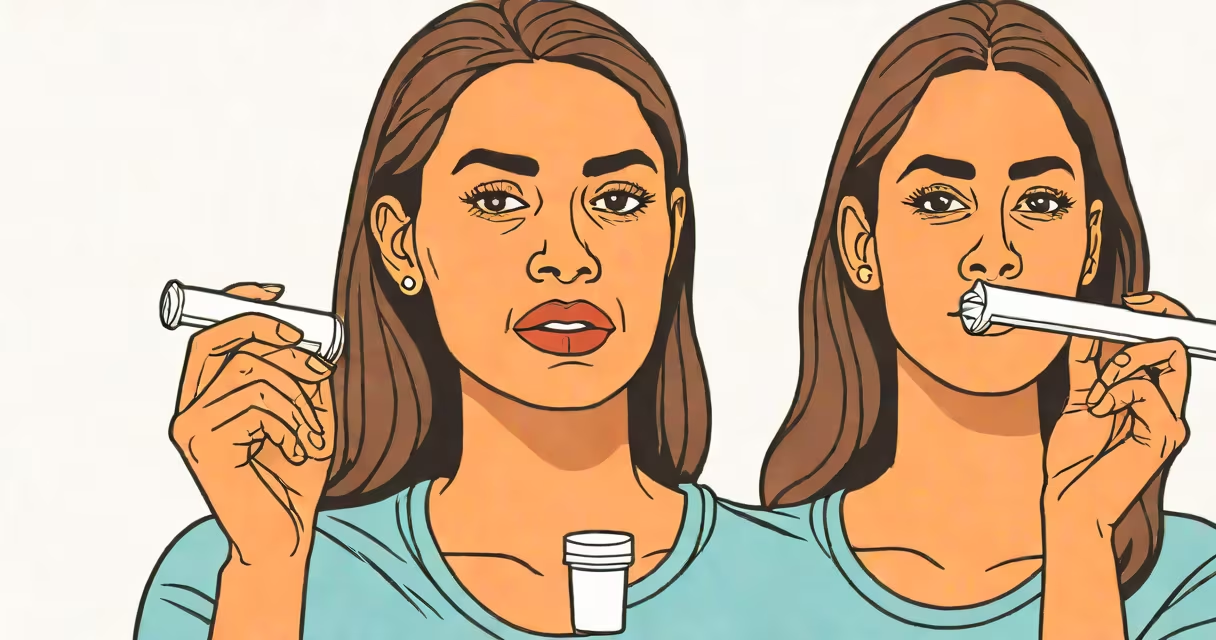
Some people experience worsened cramping after inserting a tampon due to physical pressure on the cervix, heightened sensitivity to prostaglandins, or improper insertion technique. The sensation often stems from nerve stimulation or muscle tension rather than the tampon itself causing harm.
Cramps during menstruation result from uterine contractions triggered by prostaglandins-hormone-like substances released when the uterus sheds its lining. These contractions can cause pain, especially when intense. A tampon's presence in the vaginal canal may amplify awareness of those contractions, particularly if it presses against sensitive tissues or the cervix. This doesn't mean the tampon is damaging tissue-it's a neurological response to pressure.
According to the American College of Obstetricians and Gynecologists (ACOG), up to 90% of people who menstruate report experiencing cramps, with severity varying widely. While tampons don't cause cramps, they can make existing ones feel more intense due to added pressure or psychological awareness of internal objects. Proper insertion and choosing the right absorbency level reduce this effect.
When a tampon is inserted too high or too forcefully, it can press against the cervix-the narrow opening between the vagina and uterus. This area contains dense nerve endings. Pressure here may trigger signals interpreted by the brain as increased pain, even if the physical irritation is minimal.
A 2021 study published in Journal of Women's Health found that 34% of participants reported increased cramping after tampon use, most often linked to incorrect placement or using a higher-absorbency product than needed. High-absorbency tampons expand more inside the vagina, increasing contact with sensitive areas. Using a lower-absorbency option reduces this risk.
Insertion technique matters. If the tampon is pushed in with excessive force or rotated incorrectly, it can displace normal vaginal flora or irritate the vaginal wall. This minor trauma may lead to localized inflammation, which heightens pain signals. The Mayo Clinic recommends inserting tampons with a gentle, downward motion, aiming toward the tailbone-not straight forward.
Tampons differ in absorbency, material, and design. Choosing the wrong type increases the chance of discomfort.
| Type | Absorbency Level | Risk of Increased Cramping | Best For |
|---|---|---|---|
| Light | 3-6 grams | Low | Flow days 1-2 |
| Regular | 6-9 grams | Medium | Days 2-3 of flow |
| Super | 9-12 grams | High | Heavy flow, but avoid unless necessary |
| Super Plus | 12-15 grams | Very high | Only for heavy flow; not recommended daily |
Super and super plus tampons contain more absorbent material and expand when wet. Their larger size increases the likelihood of touching sensitive structures. A 2019 survey by the National Women's Health Network found that 41% of users who switched tampons reported reduced cramping.
Material also plays a role. Cotton-based tampons tend to be less irritating than synthetic fibers. Some brands use rayon, which can cause micro-abrasions in sensitive tissue. The FDA requires all tampons to be labeled with absorbency and material composition, allowing users to make informed choices.
Many assume tampons cause cramps or worsen them permanently. This is false. Tampons don't alter hormone levels or increase prostaglandin production. They don't damage the cervix or cause long-term pain. Any worsening of cramps is temporary and related to pressure or placement.
Another myth is that "cramping from tampons" indicates a medical condition. While persistent or severe pain should be evaluated by a provider, mild to moderate cramping after insertion is common and usually resolves within minutes. If pain persists beyond 15 minutes or worsens, consider removing the tampon and trying a different brand or size.
One non-obvious fact: the vaginal canal is not a straight path. It curves slightly upward and backward. Inserting a tampon too far can push it against the cervix, even if the person feels it's properly placed. Using a mirror or checking placement with a finger can confirm correct positioning.
Sarah, a 27-year-old teacher, began experiencing sharp cramps after inserting her usual super tampon during a heavy flow day. She had used the same brand for years without issue. After removing the tampon and switching to a regular-sized cotton tampon, her cramps subsided within five minutes. She later realized she'd been pushing the tampon in too deeply, likely because she was distracted while rushing to class.
She consulted her gynecologist, who confirmed that her symptoms were consistent with pressure-induced cramping. The doctor recommended using a lower-absorbency tampon and practicing proper insertion technique. Sarah now uses a light tampon on days 1 and 2, and a regular on day 3. Her cramping has not returned.
If tampons consistently make your cramps worse, try these steps:
For ongoing pain, see a healthcare provider. Conditions like endometriosis or adenomyosis can mimic or amplify cramping. ACOG states that persistent pelvic pain during menstruation affects 10-15% of people and warrants evaluation.
I've tested several tampon brands over the past five years, including those marketed as "gentle" or "for sensitive skin." The difference wasn't in the brand name-it was in the absorbency and applicator design. A tampon with a rounded tip and low absorbency caused fewer cramps than a high-absorbency version with a sharp tip, even when both were cotton-based.
Alternatives exist. Menstrual cups hold more fluid and don't expand inside the vagina. Pads offer external protection without internal pressure. Some people find relief using heat therapy-placing a heating pad on the lower abdomen-to counteract cramping caused by uterine contractions.
Understanding why tampons make your cramps worse begins with recognizing that the device itself isn't the cause. Pressure, placement, and absorbency are key factors. By adjusting your choice and insertion method, you can reduce discomfort and maintain menstrual hygiene safely.