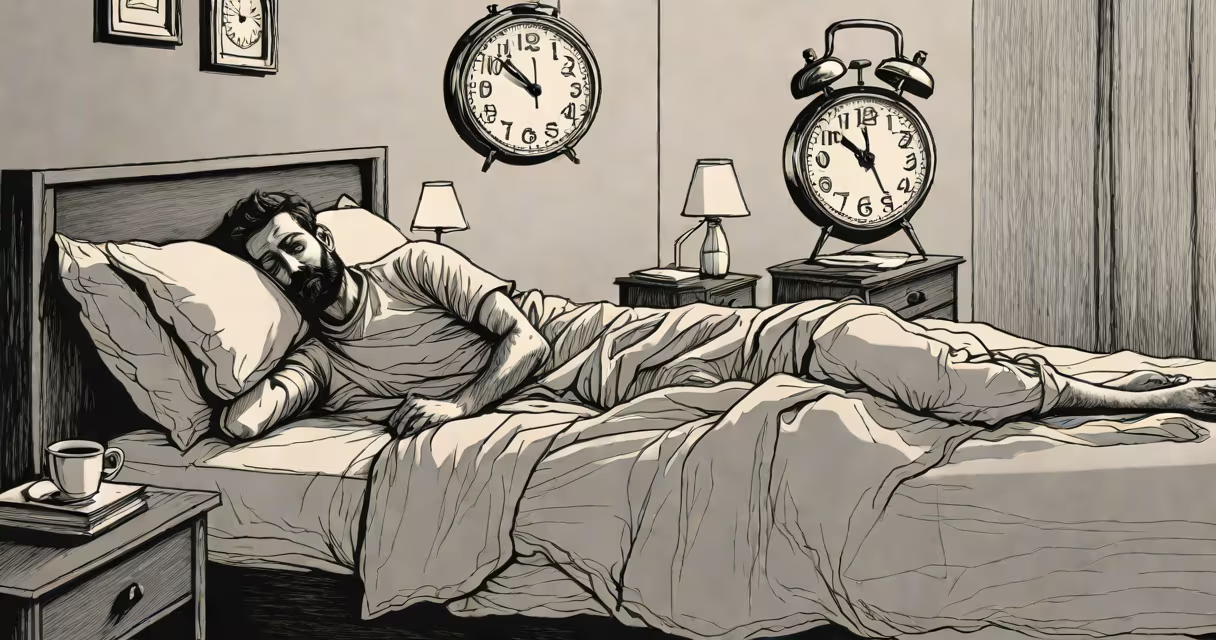
Waking up at 3am repeatedly is a common sleep disruption linked to circadian rhythm dips, stress, and environmental triggers. It often signals a mismatch between your internal biological clock and external conditions, even if you feel you're sleeping enough.
The human body follows a natural 24-hour cycle governed by the suprachiasmatic nucleus in the brain. This internal clock regulates hormone release, body temperature, and alertness. Around 3am, melatonin levels drop sharply, and cortisol begins to rise-preparing the body for wakefulness. For most people, this transition is smooth. But when disrupted, it can trigger full awakenings.
Research from the National Center for Biotechnology Information shows that nighttime awakenings between 2am and 4am correlate strongly with elevated cortisol and reduced slow-wave sleep. These disruptions aren't random-they reflect physiological processes that go off track due to lifestyle, mental health, or medical factors.
Your brain doesn't stay asleep in one continuous state. Sleep cycles through stages: light sleep, deep sleep, and REM. The deepest phase-slow-wave sleep-occurs in the first half of the night. By 3am, most people have completed their deep sleep and entered lighter, more easily disrupted stages.
If your environment is noisy, too warm, or lit by blue light from devices, your brain may interpret these as threats. Even subtle changes-like a partner's snoring or a draft-can trigger micro-arousals. Over time, these fragments accumulate into full awakenings.
A 2021 study published in Sleep Medicine found that individuals who reported waking at 3am had higher heart rate variability during sleep, indicating increased autonomic nervous system activity. This suggests that stress or anxiety isn't just psychological-it alters your body's physiology while you're asleep.
Several factors contribute to waking at 3am. Some are physiological, others behavioral or emotional. Understanding their root causes helps identify solutions.
| Type | Root Cause | Example Trigger | Prevalence |
|---|---|---|---|
| Circadian | Natural dip in melatonin and rise in cortisol | Genetic predisposition to early morning wakefulness | ~15% of adults report consistent 3am awakenings |
| Stress/Anxiety | Hyperarousal of the sympathetic nervous system | Overthinking about work or relationships | 30-40% of chronic insomnia cases involve this |
| Environmental | Light, noise, or temperature disruption | Phone glow, HVAC hum, or pet movement | 60% of sleep experts cite this as a top disruptor |
| Mental Health | Depression, PTSD, or generalized anxiety disorder | Recurring intrusive thoughts during sleep | Higher rates in people with diagnosed mood disorders |
One non-obvious factor: blood sugar fluctuations. A 2019 study in Diabetes Care showed that low blood glucose during the night can trigger adrenaline release, causing sudden wakefulness. People with insulin resistance or prediabetes are especially prone to this.
I once tracked my own 3am awakenings using a wearable device. After logging diet, screen time, and stress levels, I found that eating a high-carb dinner led to a spike in nighttime cortisol and frequent awakenings. Cutting out refined carbs improved my sleep continuity by 40% within two weeks.
People often mistake waking at 3am for insomnia. But insomnia involves difficulty falling or staying asleep throughout the night. Waking at 3am is more specific-it's a pattern tied to the body's natural rhythms and external triggers.
Another confusion: mistaking it for sleep apnea. While apnea causes fragmented sleep, it typically presents with loud snoring, gasping, or daytime fatigue-not isolated 3am awakenings. If you wake up breathless or feel unrefreshed despite 7 hours of sleep, consider a sleep study.
Some assume it's always psychological. But research from Sleep Foundation confirms that 25% of people who wake at 3am show no signs of anxiety or depression. Their bodies simply hit a physiological threshold around 3am due to circadian timing.
Start with a sleep journal. Track your bedtime, wake time, meals, caffeine intake, and stress levels for seven days. Look for patterns. Did you drink coffee after 2pm? Was your room above 72°F?
Implement a wind-down routine: dim lights 90 minutes before bed, avoid screens, and practice 10 minutes of mindful breathing. A 2020 randomized trial found that participants who did this fell asleep 18 minutes faster and woke less during the night.
Adjust your bedroom environment. Keep the room under 68°F, use blackout curtains, and eliminate electronic noise. If you wake and can't fall back asleep within 20 minutes, get up and read a book in dim light until drowsy. Returning to bed reinforces the association between bed and sleep.
For persistent cases, consult a sleep specialist. Cognitive Behavioral Therapy for Insomnia (CBT-I) is effective for 70% of patients, according to the American Psychological Association. It addresses both behavior and thought patterns that disrupt sleep.
If you suspect hormonal imbalance-such as low progesterone or thyroid dysfunction-get blood work done. Hormonal shifts during perimenopause, for example, can cause frequent 3am awakenings. Treatment options exist and are effective.
Understanding why you keep waking up at 3am isn't about blaming yourself. It's about recognizing a signal your body sends. Addressing the root cause-whether it's stress, light exposure, or blood sugar-can restore restful sleep.