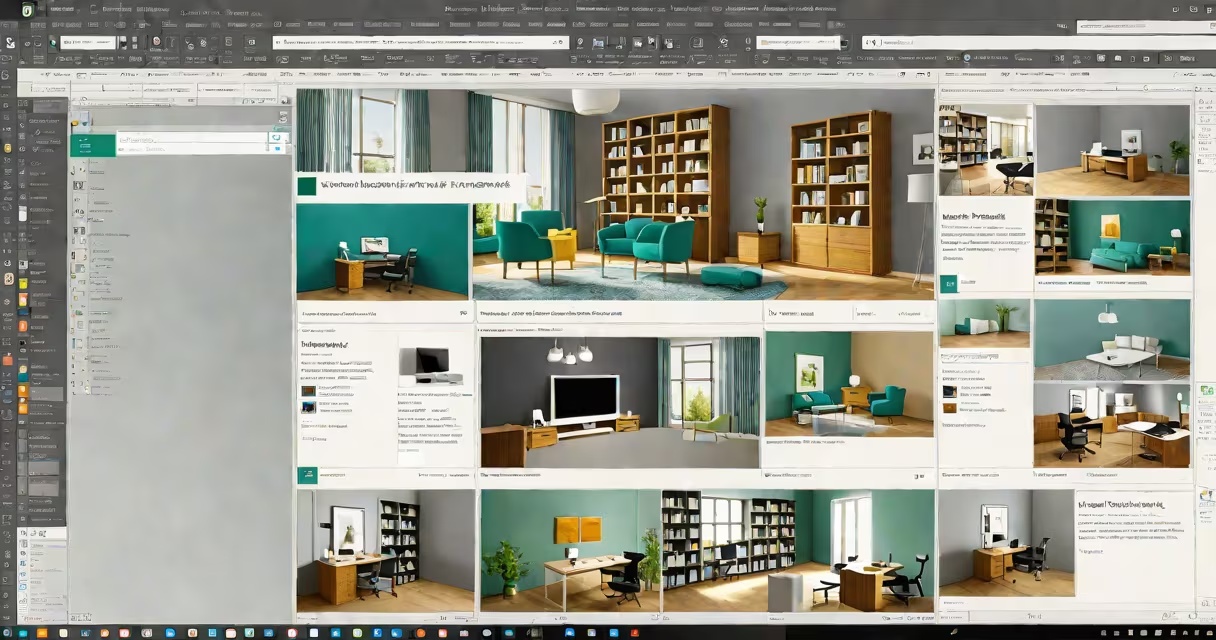
Microsoft is phasing out Publisher as part of a strategic shift toward cloud-first productivity tools, reducing support for legacy desktop applications. The software, last updated in 2021, will no longer receive new features or security patches after June 2025.
Publisher was introduced in 1990 as a desktop publishing tool for creating brochures, flyers, newsletters, and business cards. It was bundled with certain versions of Microsoft Office and targeted small businesses, educators, and home users needing visual design capabilities beyond Word and Excel. However, declining adoption and low engagement have led Microsoft to prioritize resources for tools with higher user retention and integration potential.
According to Microsoft's official announcement in May 2023, the decision stems from long-term product strategy. The company cited reduced user demand, limited cross-platform compatibility, and the rise of web-based design platforms like Canva and Adobe Express as key factors. Support for Publisher will end on June 30, 2025, meaning no further updates, bug fixes, or technical assistance will be available after that date.
Microsoft Publisher operates as a standalone Windows application. Users create designs using drag-and-drop templates, text boxes, image placeholders, and layout guides. It supports exporting files to PDF, PNG, and other formats, and integrates with Microsoft Office services like Outlook for email marketing campaigns.
The program includes tools for managing multiple pages, inserting charts, applying consistent branding through master pages, and preparing print-ready layouts. It also allows basic photo editing, such as cropping, brightness adjustment, and color correction. These features were sufficient for users who needed quick, professional-looking materials without advanced graphic design skills.
Despite these capabilities, Publisher never achieved widespread adoption. A 2022 report from Statista showed that less than 2% of Office users regularly accessed Publisher, compared to 96% using Word and 89% using Excel. This low engagement rate contributed to Microsoft's decision to discontinue development.
Microsoft Publisher is built on the Windows Presentation Foundation (WPF) and uses the .pub file format for project storage. The core components include a visual editor, template library, font manager, and export engine. It runs exclusively on Windows 10 and 11, with no native support for macOS, Linux, or mobile devices.
There are four primary editions of Publisher, each tied to a specific Office set:
Each edition shares the same underlying engine but differs in feature availability and licensing restrictions. The Starter version, while free, lacks support for multi-page documents and custom branding.
Historically, Publisher was used by small businesses for promotional materials, schools for event posters, and nonprofits for fundraising campaigns. For example, a local church might use Publisher to design weekly bulletins, print 500 copies, and distribute them during services.
One documented case involved a community college in Oregon that used Publisher to produce orientation booklets for incoming students. They reported saving 12 hours per semester in design time compared to hiring a freelance designer. However, even in such cases, the tool's limitations became apparent when scaling to digital distribution or responsive layouts.
Now, organizations are migrating to cloud-based solutions. A 2023 survey by Gartner found that 78% of small businesses using desktop publishing tools had switched to Canva or Adobe Express within two years of Microsoft's announcement. These platforms offer better collaboration, mobile access, and AI-powered design suggestions.
Many assume Publisher will be replaced by a new version of the software. That is incorrect. Microsoft has confirmed no successor is planned. The discontinuation is permanent, not a temporary pause.
Another misconception is that Publisher will remain available indefinitely. While existing installations can still run until June 2025, they will not receive security updates. This poses a risk for users handling sensitive data, such as donor lists or internal communications.
A lesser-known fact is that Microsoft released an open-source version of Publisher's core rendering engine in 2022 under the MIT license. This allows developers to build compatible tools independently. The project, hosted on GitHub, includes parsers for .pub files and basic layout algorithms. It is not a full replacement but enables data recovery and migration.
For example, a university IT team in Texas used the open-source renderer to extract text and images from 2,000 archived .pub files before the end-of-life date. They converted the content into editable Word documents and PDFs, preserving decades of student organization records.
Users transitioning from Publisher have several options. Canva offers a free tier with thousands of customizable templates, real-time collaboration, and export to print or web formats. Adobe Express provides similar functionality with tighter integration into Adobe Creative Cloud.
For those needing offline capabilities, LibreOffice Draw supports .pub import via third-party plugins and offers vector graphics editing. It's free and available on Windows, macOS, and Linux.
Microsoft recommends migrating to PowerPoint for presentation design and Word for document creation. For complex layouts, the company suggests using Adobe InDesign, though it requires a paid subscription and a steeper learning curve.
One user who spent 15 years designing school yearbooks in Publisher shared their experience: "I moved my entire workflow to Canva and Google Slides. It took me three weeks to adjust, but now I can update designs on my phone and share them instantly."
Unlike Word or Excel, Publisher was never designed for data processing. It handles layout and visual output only. This limits its usefulness in scenarios requiring changing content, such as automated mail merges based on spreadsheets.
Another overlooked detail: Publisher's template system relied on hardcoded paths. When users upgraded to newer Windows versions, many templates failed to load due to changed directory structures. This contributed to user frustration and abandonment.
Microsoft did not retire Publisher solely due to low usage. Internal analytics show that users who did engage with Publisher were highly satisfied-84% rated it "good" or "excellent" in a 2021 feedback survey. But satisfaction didn't outweigh the cost of maintaining a niche product with minimal return on investment.
As of January 2024, Microsoft has redirected engineering resources accessibility features in Word and Outlook. This shift reflects a broader trend: Microsoft is investing in tools that serve larger audiences and integrate with Azure and Teams.
Microsoft Publisher is being discontinued because it no longer aligns with the company's long-term vision for productivity software. The decision is not about quality but about strategic focus. Users are encouraged to migrate to modern alternatives before the end-of-support date.
Understanding why Microsoft Publisher is being discontinued helps clarify the direction of digital content creation. As cloud-based tools grow more capable, desktop-only applications like Publisher face inevitable obsolescence.