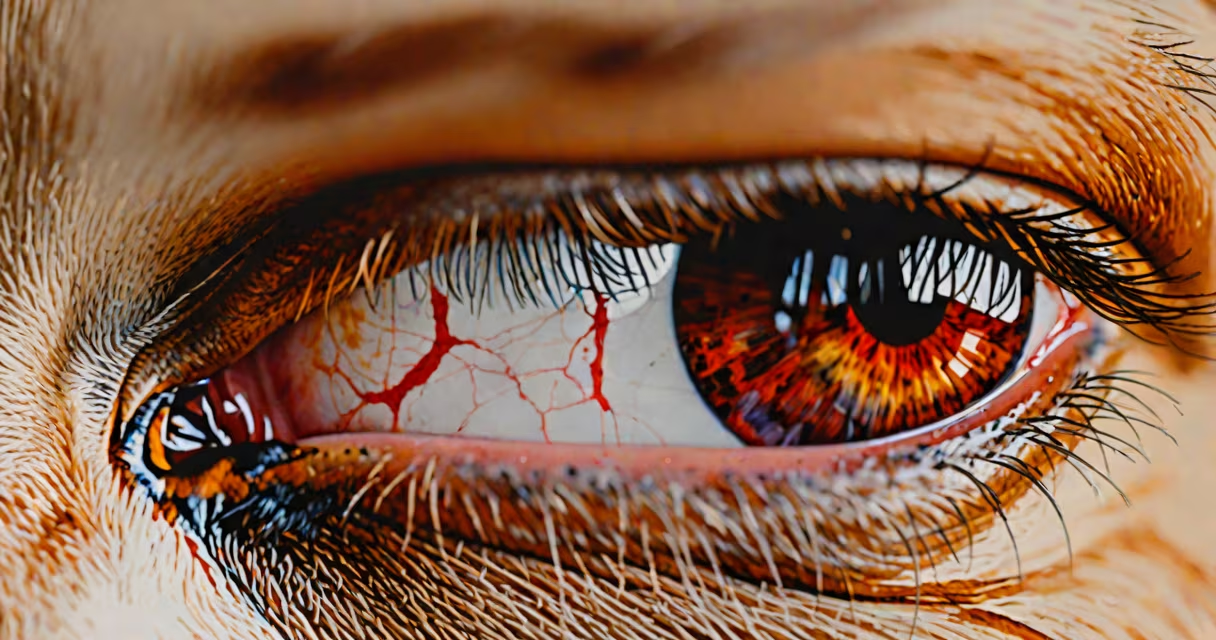
A red eye in your dog results from inflammation or blood vessel dilation in the conjunctiva, cornea, or sclera. This can stem from infection, injury, allergies, or systemic disease. Immediate veterinary evaluation is needed if redness persists beyond 24 hours or worsens.
Redness occurs when tiny blood vessels in the eye swell due to irritation or damage. The condition may affect one or both eyes. In dogs, it often signals conjunctivitis-the most common cause-but can also indicate glaucoma, uveitis, corneal ulcers, or even trauma. Ignoring it risks permanent vision loss.
According to the American College of Veterinary Ophthalmologists, conjunctivitis accounts for nearly 60% of red-eye cases in dogs seen by specialists. It's not always due to bacteria; viral infections like canine distemper or immune-mediated conditions can trigger it too. Early diagnosis prevents complications.
The eye's surface is lined with a thin membrane called the conjunctiva. When irritated, it swells and becomes visibly red. This happens because blood vessels dilate to deliver immune cells and nutrients to fight threats. Swelling blocks tear drainage, worsening discomfort.
Dogs don't blink as frequently as humans. They rely on constant tear production to flush debris. When this system fails-due to dry eye, foreign objects, or infection-irritation builds quickly. A single grain of sand in the eye can cause intense redness within hours.
For example, a 4-year-old terrier named Max developed sudden redness in his left eye after playing in tall grass. His owner noticed swelling and pawing at the face. A vet diagnosed a grass seed embedded in the third eyelid. After removal, redness resolved in 48 hours. Without treatment, the seed could have penetrated the cornea.
Not all red eyes are the same. The pattern of redness, presence of discharge, and behavior changes help narrow the cause. Here's how they differ:
| Condition | Redness Pattern | Discharge Type | Other Signs |
|---|---|---|---|
| Conjunctivitis | Red around the edge of the eye | Clear, mucus, or pus | Pawing, squinting, rubbing |
| Corneal ulcer | Redness centered on the pupil | Thick, cloudy, or yellowish | Severe pain, sensitivity to light |
| Glaucoma | Diffuse redness with cloudiness | None or watery | Enlarged eye, dull pupil, depression |
| Allergic reaction | Both eyes, mild | Clear, watery | Itching, sneezing, facial swelling |
One key distinction missed by many owners: redness from allergies rarely causes pain. If your dog flinches when you touch near the eye, it's likely not allergy-related. Pain indicates deeper tissue involvement.
Another misconception is that red eyes always mean infection. While bacterial conjunctivitis is common, fungal or parasitic causes exist-especially in warm climates. A 2022 study in the Journal of Veterinary Ophthalmology found that 12% of red-eye cases in shelter dogs were caused by demodectic mange affecting the eyelids.
Redness lasting more than 24 hours requires professional attention. Delaying care increases risk of scarring, corneal rupture, or blindness. The American Veterinary Medical Association recommends prompt evaluation for any eye change, especially if accompanied by swelling, discharge, or behavioral shifts.
Some signs demand immediate action: cloudiness, bulging eye, inability to open the eye, or sudden vision loss. These suggest glaucoma or trauma. A dog with a ruptured globe may show extreme pain and avoid light-symptoms that progress rapidly.
I once treated a 7-year-old Labrador whose owner thought the redness was "just allergies." Over three days, the eye became swollen and the dog stopped eating. A scan revealed a tumor pressing on the optic nerve. Early intervention saved partial vision. This case underscores that redness isn't always minor.
Do not apply human eye drops unless prescribed. Many contain vasoconstrictors that shrink blood vessels temporarily but worsen underlying issues. Steroid drops can increase intraocular pressure and accelerate glaucoma.
Never rub or flush the eye with water. This spreads pathogens or pushes debris deeper. If you suspect a foreign object, do not attempt removal. The cornea is delicate-missteps can cause irreversible damage.
Home remedies like saline rinses are ineffective for infections. They may reduce surface irritation but won't treat bacterial or viral causes. A dog with a corneal ulcer needs antibiotics and possibly surgery. Self-treatment delays recovery and increases risk.
If your dog's eye remains red after 24 hours, schedule a vet visit. Bring details: onset time, whether one or both eyes are affected, and any recent exposure to new environments, plants, or other animals.
Red eye in dogs is never normal. It's a symptom, not a diagnosis. Acting early protects vision and reduces suffering. Always consult a veterinarian rather than guessing.