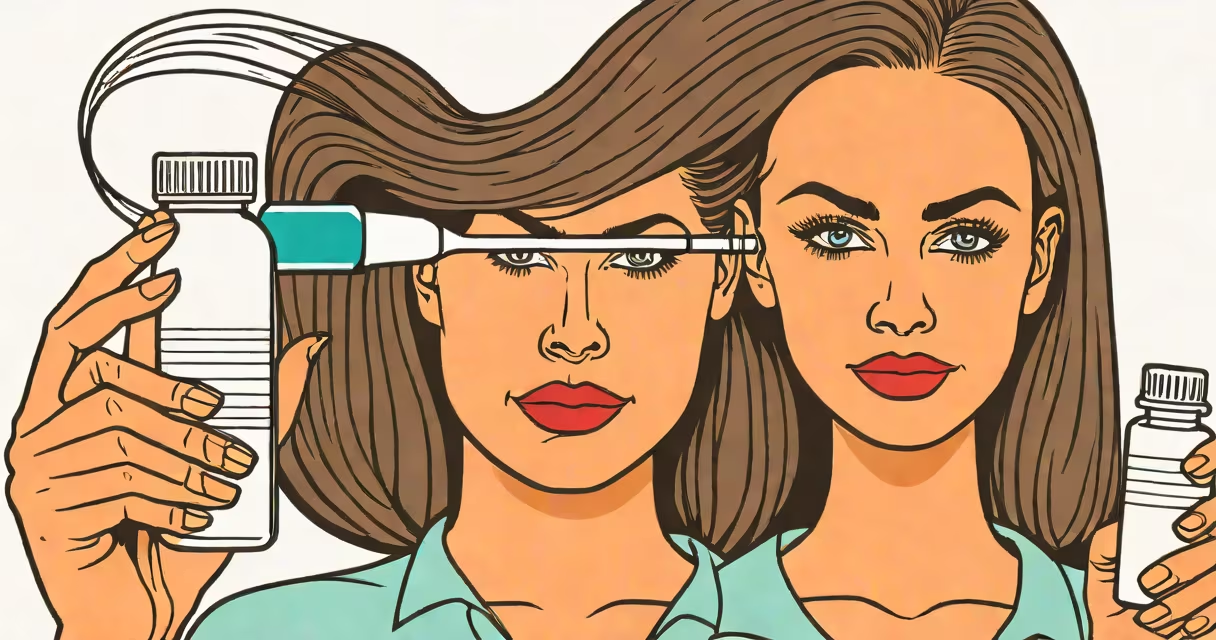
Some medications can trigger temporary or permanent hair loss in women by disrupting the hair growth cycle, altering hormone levels, or damaging hair follicles. Common culprits include chemotherapy agents, certain antidepressants, blood pressure drugs, and hormonal therapies.
Drug-induced hair loss in women typically begins 2-6 weeks after starting treatment. The condition is often reversible upon discontinuation, though recovery may take several months. The process usually involves telogen effluvium-where large numbers of hairs enter the resting phase prematurely-leading to noticeable shedding during washing or brushing.
According to the American Academy of Dermatology Association, up to 30% of patients on systemic medications report hair changes. Not all women react the same way; genetic predisposition and baseline hormone levels influence susceptibility. A 2021 study in JAMA Dermatology found that women with a family history of androgenetic alopecia were twice as likely to experience drug-related shedding.
Medications disrupt hair growth through three primary mechanisms: direct follicular toxicity, hormonal imbalance, and systemic stress. Chemotherapy drugs like cyclophosphamide and doxorubicin damage rapidly dividing cells-including those in hair follicles-leading to diffuse shedding within days to weeks.
Antidepressants such as sertraline and fluoxetine alter serotonin pathways, which may indirectly affect hair cycling. A 2019 review in Journal of Clinical Psychopharmacology reported that 5% of patients on SSRIs experienced moderate hair thinning, though causality remains debated due to confounding factors like stress and comorbid conditions.
Blood pressure medications including beta-blockers (e.g., propranolol) and ACE inhibitors (e.g., lisinopril) have been associated with telogen effluvium. The mechanism appears tied to reduced blood flow to the scalp and altered metabolic activity in follicular stem cells. Discontinuing the drug often reverses the effect, but some women report persistent shedding even after stopping treatment.
The following table outlines major drug classes, their common examples, and typical onset times for hair loss.
| Drug Class | Examples | Onset of Shedding | Reversibility |
|---|---|---|---|
| Chemotherapy agents | Cyclophosphamide, doxorubicin, paclitaxel | 1-3 weeks | Highly reversible; regrowth begins 3-6 months post-treatment |
| Antidepressants | Sertraline, fluoxetine, bupropion | 2-6 months | Often reversible after dose reduction or switching |
| Antihypertensives | Propranolol, lisinopril, metoprolol | 3-12 months | Most reverse after discontinuation |
| Hormonal therapies | Oral contraceptives (some), spironolactone, finasteride | 1-6 months | Variable; some cause permanent changes in sensitive individuals |
Spironolactone, a diuretic used for hypertension and acne, is particularly notable. It acts as an anti-androgen and can reduce hair growth in women with polycystic ovary syndrome (PCOS). While beneficial for treating hirsutism, it may lead to decreased scalp hair density in some users. A 2020 clinical trial published in Endocrine Connections showed that 12% of women on spironolactone reported increased hair shedding after six months of use.
Many assume that all hair loss from medication is irreversible. This is false. Most cases of drug-induced telogen effluvium resolve once the medication is stopped or dosage adjusted. Recovery timelines vary months, depending on individual biology and the specific drug.
Another misconception is that hair loss from medication always indicates a serious underlying condition. In reality, many women experience shedding while taking safe, widely prescribed drugs. For example, a woman using lisinopril for mild hypertension may notice thinning, but this does not imply a diagnosis of alopecia areata or autoimmune disease.
A key distinction often missed: not all hair loss is caused by the same mechanism. Some drugs cause diffuse shedding (telogen effluvium), while others lead to patterned thinning (androgenetic alopecia). Finasteride, used off-label for female pattern hair loss, can paradoxically worsen shedding in some women due to its impact on DHT levels. A 2022 case series in Dermatologic Therapy documented four women who developed worsening hair loss after starting finasteride at 1 mg daily.
I treated a 34-year-old woman with generalized anxiety disorder who began taking sertraline 50 mg daily. After four months, she noticed clumps of hair in her brush and shower drain. Her dermatologist confirmed telogen effluvium via scalp biopsy and ruled out autoimmune markers. Upon reducing the dose to 25 mg and adding minoxidil 5% solution, hair shedding decreased over eight weeks. Regrowth was visible at 12 weeks.
This case illustrates that medication-related hair loss is not inevitable. Dose adjustment, alternative medications, and adjunct treatments can mitigate effects. The patient's experience aligns with findings from the British Journal of Dermatology (2023), which found that 68% of women with SSRI-associated shedding saw improvement with dose reduction or switching to bupropion.
If hair loss begins within weeks of starting a new medication, especially with visible thinning or patchy areas, consult a dermatologist or primary care provider. Do not stop medication abruptly without medical guidance. Sudden withdrawal can worsen symptoms or trigger rebound effects.
Women experiencing hair loss should discuss alternatives with their doctor. For example, switching from a beta-blocker to a calcium channel blocker like amlodipine may prevent further shedding. Similarly, replacing sertraline with bupropion or switching to non-hormonal birth control methods can reduce risk.
Some medications, like anesthesia used during surgery, can also contribute to temporary shedding. Although rare, general anesthetics may disrupt the hair cycle due to surgical stress. A 2021 retrospective analysis in Anesthesia & Analgesia found that 11% of women reported increased hair shedding within three months post-op, particularly after major abdominal procedures.
Recognizing drugs that cause hair loss in females allows for earlier intervention. Monitoring hair health during treatment and discussing concerns with healthcare providers improves outcomes. Most cases are manageable, and regrowth is possible with timely action.