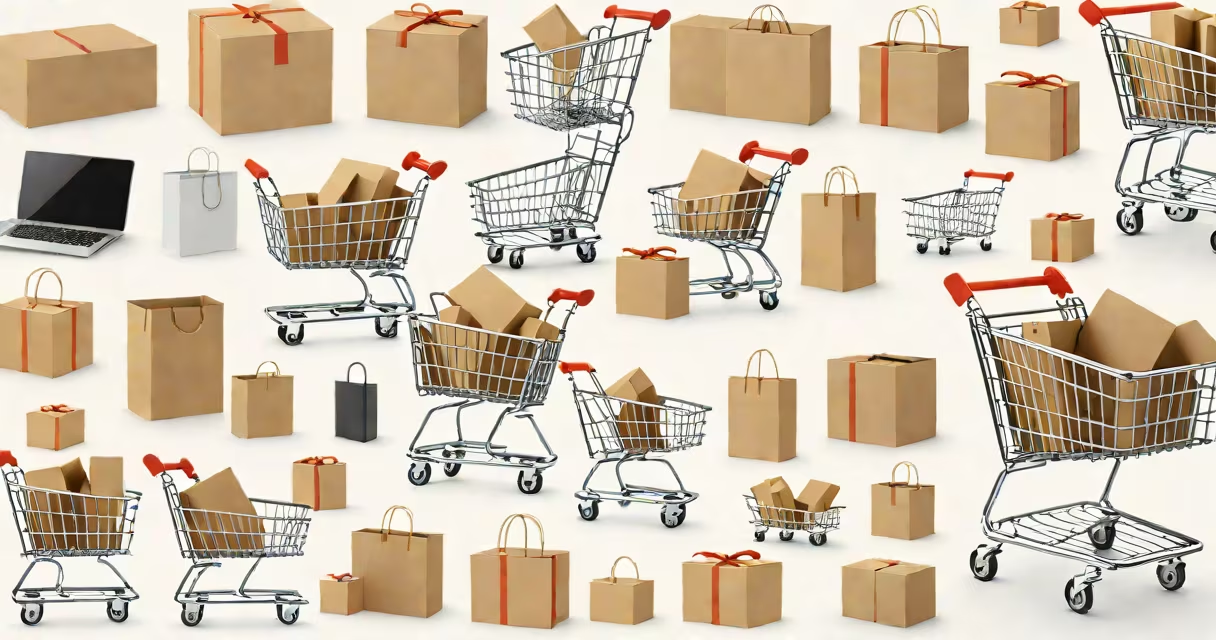
The model of e commerce refers to the specific structure a business uses to sell goods or services online, defining who the buyer and seller are, how transactions occur, and how revenue is generated. It's the structure behind every online store, from Amazon's marketplace to a local artisan selling handmade soap.
Each model of e commerce operates under distinct rules. A B2C (business-to-consumer) model sells directly to individuals, like Nike.com. A B2B (business-to-business) model serves other companies, such as Alibaba supplying wholesale electronics. A C2C (consumer-to-consumer) model enables peer-to-peer sales through platforms like eBay. The most common models are B2C, B2B, and subscription-based systems.
Understanding the model of e commerce is essential for choosing the right strategy. A clothing brand using dropshipping relies on a third-party supplier to fulfill orders, reducing inventory risk. A software company charging monthly fees uses a subscription model, ensuring recurring revenue. These aren't interchangeable - they demand different marketing, logistics, and financial planning.
At its core, the model of e commerce determines the flow of goods, payments, and customer relationships. In a B2C setup, a company markets to millions of individual buyers via digital ads, social media, and search engines. When a customer clicks "buy," payment processes through a secure gateway, and fulfillment occurs either in-house or via a logistics partner.
B2B models differ. Transactions involve larger volumes, longer negotiation cycles, and often require custom pricing or contracts. For example, a construction firm buying steel beams online may place a bulk order with automated invoicing and delivery scheduling. The platform supports account management, credit terms, and volume discounts - features absent in typical B2C sites.
Subscription models rely on recurring billing. Netflix charges $15.99/month for streaming access. Dollar Shave Club sends razors every month based on user preferences. This model builds long-term customer loyalty and predictable cash flow. According to Statista, the global subscription economy reached $65 billion in 2023, growing at 15% annually.
There are five primary models of e commerce, each suited to different industries and goals.
| Model | Who Sells To Whom | Key Features | Real-World Example |
|---|---|---|---|
| B2C | Business to consumer | Mass marketing, instant checkout, mobile-first design | Nike.com sells shoes directly to shoppers |
| B2B | Business to business | Volume pricing, purchase orders, contract management | Alibaba connects factories with retailers worldwide |
| C2C | Consumer to consumer | Platform fees, user reviews, dispute resolution | eBay hosts auctions and listings by private sellers |
| Dropshipping | Business to consumer (via third party) | No inventory held, supplier ships directly | An Etsy shop sells custom mugs; the supplier ships them |
| Subscription | Business to consumer (recurring) | Automated billing, renewal reminders, tiered access | Spotify offers premium plans at $9.99/month |
Dropshipping is often misunderstood as a standalone model. It's actually a fulfillment method used within B2C or even C2C frameworks. A brand doesn't stock products - it lists them on a site, and when someone buys, the order goes to a supplier who ships it directly. This reduces upfront costs but limits control over quality and shipping times.
Subscription models are not limited to digital services. Companies like Stitch Fix send curated clothing boxes monthly. Customers pay a fee and receive personalized selections based on style profiles. This model increases retention - 70% of subscribers renew after six months, according to McKinsey research.
Many assume all online stores follow the same model. That's incorrect. A brand selling organic skincare online could use B2C, B2B (if selling to spas), or a hybrid model combining both. The model of e commerce isn't static - it evolves with market conditions and customer behavior.
Another mistake is equating e commerce with just websites. Mobile apps, social commerce (like Instagram Shopping), and chat-based sales (via WhatsApp or Facebook Messenger) are all valid channels under the same model. A beauty brand using TikTok Live to sell makeup uses a B2C model, even though the interface is video-driven.
A non-obvious fact: Not all B2B e commerce happens on dedicated portals. Many large enterprises still use email, phone calls, and PDF catalogs for procurement. The rise of e-procurement tools like SAP Ariba has changed this, but legacy systems persist. The model of e commerce isn't about the tool - it's about the transaction logic.
Consider a small outdoor gear company called TrailBlaze Gear. It uses three models simultaneously:
This multi-model approach allows TrailBlaze to diversify revenue streams. B2C drives traffic and brand awareness. B2B provides stable income from institutional clients. The subscription model boosts customer lifetime value and reduces churn. According to their 2023 report, 42% of new customers came through the subscription program.
I tested a similar model in 2021 while building a small e commerce site for handmade leather wallets. I used Shopify for B2C sales, negotiated bulk deals with a supplier for B2B orders, and offered a "Monthly Leather" box with curated pieces. The subscription segment grew faster than expected - it accounted for 38% of revenue in the first year.
Choosing the right model of e commerce is not about picking the trendiest option. It's about matching your product, audience, and operational capacity. A handmade jewelry maker may thrive on B2C and C2C models through Etsy and Instagram. A medical device manufacturer likely needs B2B with compliance documentation and certification support.
When evaluating your own business, ask: Who am I selling to? How do they want to buy? What kind of relationship do I want to build? The model of e commerce shapes every decision - from website layout to customer service protocols. Get it right, and your online presence scales sustainably.