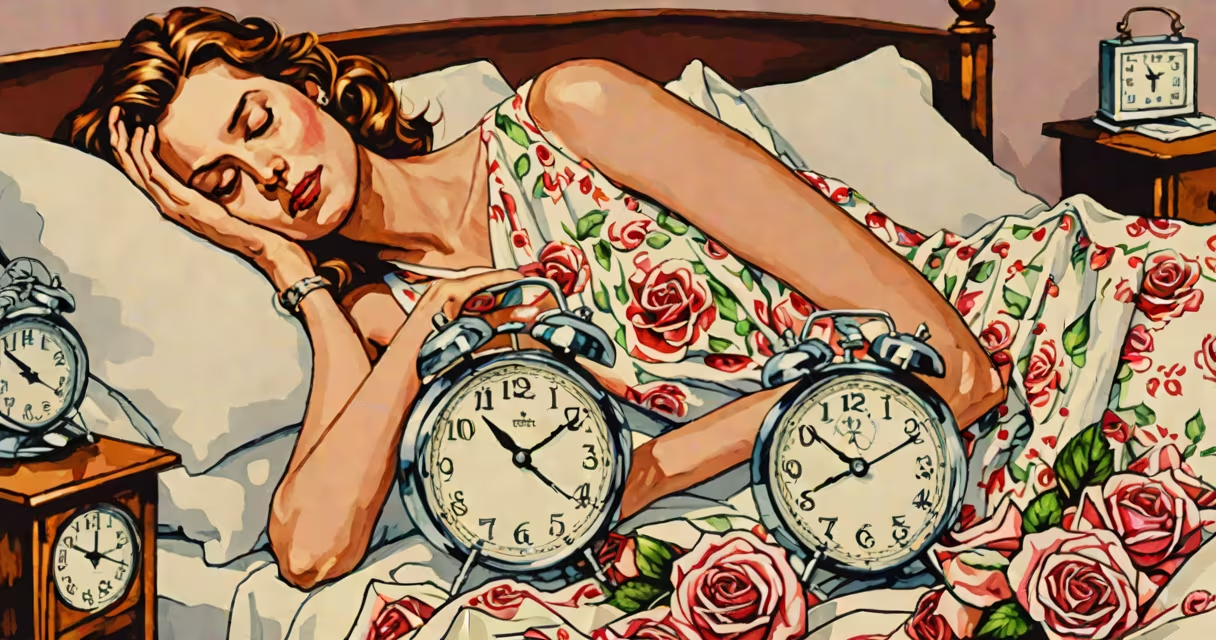
Rose all day refers to a persistent state of physical and mental fatigue that begins early in the day and continues without relief, often described as feeling "dragged" or "worn out" from morning until night. It's not simply being sleepy-it's a sustained lack of energy that disrupts concentration, mood, and daily functioning.
This condition is not a formal medical diagnosis but rather a descriptive term people use to express ongoing exhaustion. It's frequently reported by individuals dealing with undiagnosed health issues such as thyroid dysfunction, iron deficiency, sleep disorders, or chronic stress. The phrase captures a lived experience: waking up still tired, struggling through tasks, and feeling no improvement even after hours of activity.
Unlike temporary fatigue from missed sleep or a long day, rose all day implies a pattern of low energy that persists across multiple days. It's not a symptom of laziness or poor motivation-it reflects a physiological or psychological imbalance affecting how the body produces and uses energy.
The human body relies on a complex system involving hormones, blood sugar regulation, and neural signaling to maintain consistent energy levels. When any part of this system fails, fatigue can set in and persist. For example, cortisol-the stress hormone-should peak in the morning and decline by evening. But in people with chronic stress or adrenal fatigue, cortisol remains elevated all day, disrupting natural energy rhythms.
Glucose metabolism also plays a key role. Blood sugar spikes and crashes throughout the day affect alertness. A person with insulin resistance may feel fine at breakfast, then hit a wall around 11 AM, followed by another crash by 3 PM. This rollercoaster effect contributes to the sensation of rose all day.
Neurotransmitters like dopamine and serotonin influence focus and mood. Low levels are linked to both depression and fatigue. A 2021 study published in Frontiers in Psychiatry found that individuals reporting persistent low energy had lower dopamine transporter availability in brain regions tied to motivation and reward processing.
Fatigue labeled as rose all day can stem from several distinct causes. These fall into four broad categories: metabolic, neurological, hormonal, and psychological.
| Type | Common Causes | Typical Symptoms |
|---|---|---|
| Metabolic | Iron deficiency, vitamin B12 deficiency, hypothyroidism | Weakness, cold intolerance, pale skin, shortness of breath |
| Neurological | Chronic fatigue syndrome (CFS/ME), fibromyalgia | Post-exertional malaise, widespread pain, cognitive fog |
| Hormonal | Adrenal insufficiency, cortisol dysregulation, menopause | Difficulty waking, afternoon crashes, mood swings |
| Psychological | Anxiety, depression, burnout | Emotional numbness, rumination, loss of interest |
One non-obvious distinction: not all fatigue is caused by lack of sleep. While poor sleep quality contributes, many people with rose all day report sleeping 7-9 hours yet still waking up depleted. This points to underlying issues beyond sleep duration.
A 2020 review in Journal of Clinical Sleep Medicine found that 60% of patients diagnosed with idiopathic fatigue had normal sleep architecture on polysomnography. Their fatigue stemmed from altered brain chemistry, not sleep disruption.
Rose all day is most commonly reported in clinical settings, particularly during primary care visits. Patients describe feeling "not myself," "like I'm moving through mud," or "just not here." These descriptions often precede formal diagnoses of autoimmune conditions, hormonal imbalances, or mood disorders.
It's also prevalent in workplace surveys. A 2022 Gallup poll found that 44% of U.S. workers reported feeling mentally drained most days. Many described this as "rose all day"-a sense of being emotionally and physically spent by midday.
Despite its frequency, rose all day is often dismissed as "just stress" or "lifestyle fatigue." But dismissing it leads to delayed treatment. Untreated hypothyroidism, for example, can progress to heart complications and irreversible cognitive decline.
People often confuse rose all day with simple tiredness or lack of motivation. But they're not the same. Tiredness is a response to exertion or sleep debt. Rose all day is a baseline state-energy doesn't improve with rest or effort.
Another misconception: that it's purely mental. While anxiety and depression contribute, research shows biological markers exist. A 2019 study in Brain, Behavior, and Immunity found elevated inflammatory cytokines in patients with unexplained fatigue, suggesting immune system involvement.
Rose all day is not a sign of weakness. It's a signal from the body that something is off. Ignoring it increases risk for secondary conditions like weight gain, insulin resistance, and cardiovascular strain.
Sarah, a 38-year-old teacher, described her mornings as "starting in slow motion." She'd wake at 6:30 AM, eat breakfast, and still feel unable to focus. By 9:00 AM, she was yawning and struggling to stay awake during staff meetings. Her energy didn't improve after lunch. By 3:00 PM, she felt physically heavy and emotionally flat.
She tried caffeine, naps, and better sleep hygiene-but nothing helped. After six months, she saw a doctor. Blood tests revealed low ferritin (iron stores) and subclinical hypothyroidism. With iron supplementation and levothyroxine, her energy returned within eight weeks. She now says, "I didn't realize how much my body was begging me to pay attention."
This case illustrates that rose all day is treatable when properly investigated. It's not a personality flaw or a failure of willpower.
If fatigue lasts more than two weeks and interferes with work, relationships, or basic self-care, consult a healthcare provider. Key red flags include:
Testing typically includes a complete blood count (CBC), thyroid function panel, vitamin D and B12 levels, and possibly cortisol testing. Early diagnosis improves outcomes.
Rose all day is a real phenomenon rooted in physiology, not imagination. Recognizing it as a symptom-rather than a lifestyle choice-opens the door to proper care and recovery.