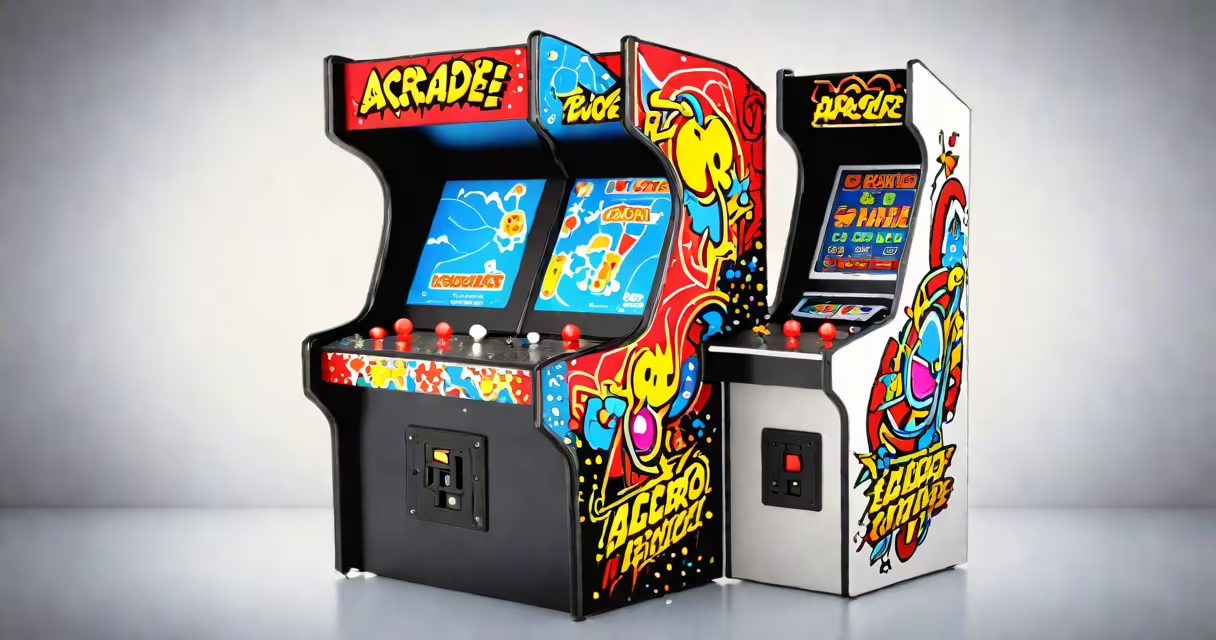
Retro describes the revival or reimagining of styles, designs, or cultural elements from a past era-typically the 1960s through the 1990s-used to evoke nostalgia, familiarity, or aesthetic appeal. It is not simply old; it is old recontextualized for modern taste.
The term originates from the Latin *retro*, meaning "backward" or "behind." In modern usage, it gained traction in the late 20th century as media, fashion, and technology began consciously referencing earlier decades. The concept became widespread in advertising, product design, and entertainment by the 1980s and 1990s.
When something is labeled retro, it signals a deliberate return to past forms-not to replicate history, but to reinterpret it. A retro jacket may feature flared sleeves and bold patterns from the 1970s, but made with modern materials and fit. The effect is not historical accuracy, but emotional resonance.
Retro functions by tapping into collective memory. Humans associate certain sensory cues-colors, sounds, textures-with specific time periods. A synth-heavy soundtrack from the 1980s triggers recognition even in people who didn't live through it. This is why retro is effective in branding: it creates instant emotional connection.
Designers use retro aesthetics to signal authenticity, warmth, or playfulness. Think of the resurgence of vinyl records in the 2010s. Sales of vinyl LPs rose from 12 million units in 2014 to 42 million in 2022, according to the Recording Industry Association of America (RIAA). This wasn't about audio quality alone-it was about the ritual, the physicality, the tactile experience of a format from the past.
Brands exploit this. Apple's 2021 release of the iPhone 13 Pro with a "Titanium" finish and minimalist design echoed the sleek, understated look of 1980s Japanese electronics. The marketing leaned into "timeless" and "classic," not because the phone was old, but because its visual language referenced a past era of industrial design.
Retro manifests in several distinct forms, each tied to a different kind of cultural memory.
| Type | Definition | Example |
|---|---|---|
| Fashion Retro | Revival of clothing styles from a previous decade | High-waisted jeans and oversized blazers from the 1990s |
| Music Retro | Reproduction or homage to songs, genres, or production techniques from past eras | Daft Punk's use of 1980s synthesizers and drum machines |
| Technology Retro | Reintroduction of outdated devices with modern functionality | Game Boy Advance SP re-released in 2021 with enhanced battery life |
| Cultural Retro | Reenactment or celebration of past social norms, values, or events | Netflix series like *Stranger Things* set in 1985, using period-specific slang and references |
Not all retro is positive. Some uses border on irony or parody. The 2016 film *The Nice Guys* features a character who wears a 1970s-style leisure suit and speaks in exaggerated 1970s slang. The humor relies on the audience recognizing the disconnect between the character's persona and modern reality.
A lesser-known but significant form is "retro-futurism"-a blend of past visions of the future with present-day interpretation. The 1960s imagined flying cars and moon colonies. Today's retro-futuristic designs incorporate those optimistic, space-age motifs with current materials and engineering. The 2023 Tesla Cybertruck's angular, spaceship-like silhouette draws from 1950s sci-fi illustrations, though it runs on electric power.
Retro is pervasive in consumer culture. It appears in everything from home decor to video games. A 2022 report by Statista found that 43% of U.S. consumers aged 18-34 preferred products with nostalgic design elements, citing emotional comfort and uniqueness.
Restaurants often use retro themes to differentiate themselves. A diner with red vinyl booths, jukeboxes playing 1950s rock 'n' roll, and neon signs mimicking 1970s signage appeals to customers seeking both food and atmosphere. The 2019 opening of "The Diner" in Austin, Texas, reported a 60% increase in weekend traffic after adopting a 1950s theme, including custom-designed uniforms and menu items like "The Elvis Sandwich" (bacon, peanut butter, banana).
Even public spaces use retro cues. The 2020 redesign of New York City's subway maps included a retro-inspired color scheme and typography reminiscent of the 1970s MTA posters. The change was not functional-it didn't improve navigation-but it increased rider engagement. A survey by the Metropolitan Transportation Authority showed 78% of users felt more connected to the city's transit system after the update.
Retro is not synonymous with "vintage" or "antique." Vintage refers to original items from a past era, often with provenance and age-related wear. Retro is a modern recreation or reinterpretation. A 1970s leather jacket sold in a thrift store is vintage. A new jacket styled to look like one from 1970 is retro.
Another common error is assuming retro is always positive or celebratory. Some retro expressions carry critique. The 2018 film *Ready Player One* uses retro video game aesthetics as a backdrop for a dystopian future. The characters escape into a virtual world filled with 1980s pop culture references-Masters of the Universe toys, Atari games, and Prince's music. The film doesn't glorify the past; it shows how nostalgia can be a coping mechanism for a failing present.
Finally, retro is not timeless. It's temporally anchored. What feels retro today-say, a 2000s-era flip phone-will likely be seen as dated within a decade. The 2023 release of the Samsung Galaxy Z Flip 5, with its foldable screen and retro styling, was marketed as "a throwback to the 1990s clamshell phone." But by 2030, that same design may no longer feel nostalgic-it may feel obsolete.
I once tried to recreate a 1980s-style bedroom using thrifted furniture, a cassette player, and a poster of Michael Jackson. The room looked authentic at first glance. But when I played a mix of 1980s hits, my younger sister walked in, listened for ten seconds, and said, "This is boring." She wasn't rejecting the music-she was rejecting the idea that something from the past could still feel relevant. That moment clarified something: retro only works when it's not just copied, but reinterpreted.
True retro isn't about replicating the past. It's about using the past to comment on the present. When a brand releases a retro-style backpack with recycled materials and a modern ergonomic design, it's not just selling nostalgia-it's offering a new way to think about sustainability and identity.
Understanding the meaning of retro requires seeing it not as a static category, but as a changing process. It's the gap between what was and what is-filled with memory, desire, and reinvention. The word itself, derived from Latin, points backward. But its function is forward-looking.