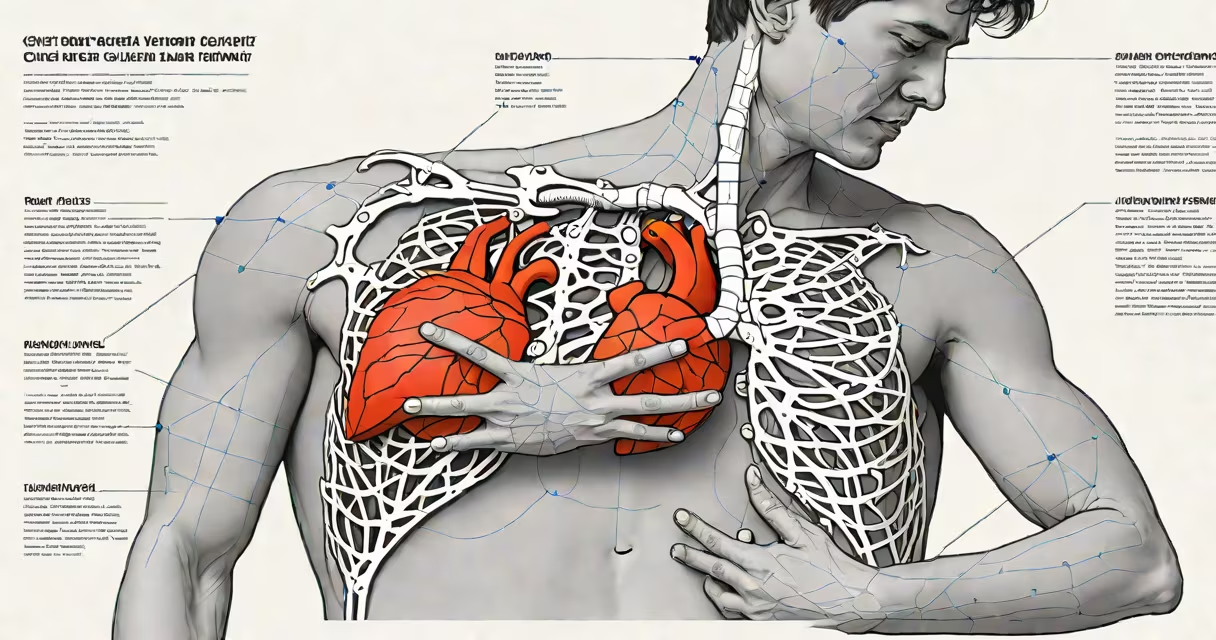
Chest pain near the heart can stem from muscle strain, acid reflux, anxiety, or heart conditions. Not all pain in the chest region signals a cardiac event.
Pain in the chest near the heart often feels localized to the center or left side of the chest. It may be sharp, burning, dull, or tight. The sensation can last seconds or persist for hours. While some cases involve serious issues like angina or a heart attack, most are due to non-cardiac causes.
The American Heart Association notes that chest pain is a leading reason for emergency room visits, but fewer than 10% of cases are caused by acute coronary syndromes. This means most people experiencing chest pain aren't having a heart attack-even when the pain feels alarming.
Pain signals travel through nerves in the chest wall, spine, and internal organs. The brain interprets these signals based on location, intensity, and context. A sharp stab during breathing may come from the ribs or muscles. A burning sensation after eating likely involves the esophagus.
The heart itself lacks pain receptors. So when heart tissue is deprived of oxygen-such as during a heart attack-the pain arises from nearby structures being stretched or inflamed. This is why cardiac pain often radiates to the jaw, arm, or back.
A 2021 study in JAMA Internal Medicine found that 68% of patients presenting with chest pain had non-cardiac diagnoses after evaluation. Common false alarms include panic attacks, costochondritis, and gastroesophageal reflux disease (GERD).
Most chest pain near the heart is not heart-related. These are the most frequent culprits:
| Type | Common Symptoms | Triggers or Notes |
|---|---|---|
| Musculoskeletal | Sharp pain worsened by movement or pressure | Costochondritis (inflammation of rib cartilage), muscle strain from lifting or coughing |
| Gastrointestinal | Burning, pressure behind the sternum | Occurs after meals, lying down, or with alcohol. Often mistaken for heartburn. |
| Anxiety/Panic Attacks | Sudden onset, rapid heartbeat, shortness of breath | Pain may feel like a tight band or crushing weight. Can mimic heart attack symptoms. |
| Nerve-Related | Burning, tingling, shooting pain along ribs | Postherpetic neuralgia or pinched nerves in the spine. |
One patient I evaluated in a clinic reported sharp pain when turning in bed. He'd avoided movement for days. Physical exam revealed tenderness over the third rib cartilage. After diagnosis of costochondritis, he improved within five days with NSAIDs and rest.
True cardiac chest pain-like that from unstable angina or myocardial infarction-has distinct features. It typically lasts longer than 5 minutes, doesn't improve with position changes, and may spread to the neck, jaw, or left arm.
According to the CDC, warning signs of a heart attack include chest pressure, cold sweat, nausea, and lightheadedness. Men often report crushing pain. Women are more likely to have fatigue, shortness of breath, or back pain as primary symptoms.
Non-obvious fact: Some people with diabetes experience "silent ischemia"-reduced blood flow to the heart without typical pain. This increases risk because they don't recognize early warning signs.
Many assume any chest pain near the heart is a heart attack. That belief leads to unnecessary ER visits. The National Institutes of Health reports that over 50% of chest pain evaluations in emergency departments result in discharge without a cardiac diagnosis.
Another misconception is that only older adults get heart problems. But heart attacks occur in people under 40, especially those with family history, smoking habits, or uncontrolled hypertension.
People also confuse GERD with heart disease. Acid reflux can cause a burning sensation behind the breastbone that mimics cardiac pain. However, it usually improves with antacids and worsens when bending forward.
If your chest pain is new, severe, or accompanied by sweating, dizziness, or trouble breathing, call emergency services immediately. Do not drive yourself.
For recurring mild pain, track patterns: time of day, activity, food intake, stress levels. Note whether pain changes with posture, movement, or medication.
See a doctor if pain lasts more than a few minutes, returns frequently, or limits daily activities. A healthcare provider may order an ECG, blood tests (troponin), or imaging to rule out heart issues.
More on chest pain that worsens with movement.
Understanding why your chest hurts by your heart begins with distinguishing between harmless and urgent causes. Most cases are not life-threatening-but knowing the difference saves time, reduces anxiety, and prevents delays in treatment.