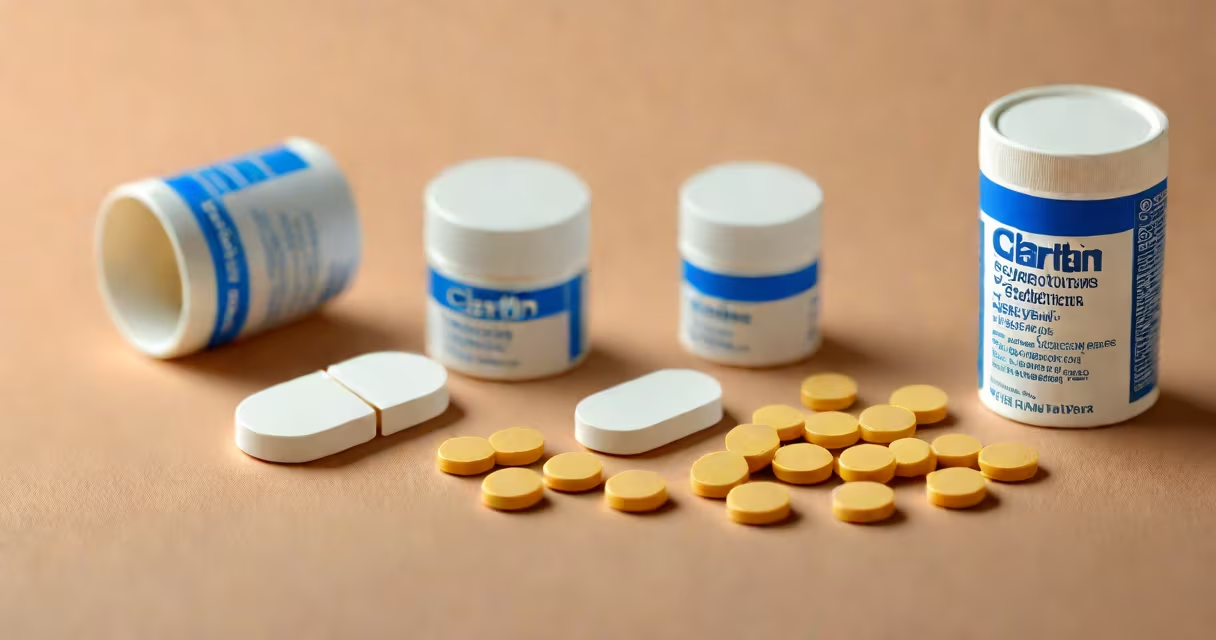
Claritin generic brand refers to over-the-counter allergy medications containing loratadine as the active ingredient, matching the effectiveness of brand-name Claritin while typically costing less. These products are approved by the U.S. Food and Drug Administration (FDA) and must meet strict bioequivalence standards.
Loratadine, the active ingredient in both Claritin and its generic counterparts, is a second-generation antihistamine that blocks histamine receptors to reduce symptoms like sneezing, runny nose, and itchy eyes. It's designed for daily use and generally causes less drowsiness than older antihistamines like diphenhydramine.
The FDA requires generic drugs to have the same strength, dosage form, route of administration, and intended use as their brand-name equivalents. This means a generic Claritin tablet delivers the same amount of loratadine as the branded version and works identically in the body.
Loratadine functions by blocking H1 histamine receptors in the central nervous system and peripheral tissues. When allergens such as pollen or dust trigger immune cells to release histamine, this chemical causes inflammation and swelling in nasal passages and eyes. By preventing histamine receptors, loratadine reduces allergic reactions.
Unlike first-generation antihistamines, loratadine crosses the blood-brain barrier minimally. Clinical trials show that fewer than 2% of users report drowsiness, making it suitable for daytime use without impairing concentration or driving ability.
A 2019 study published in Annals of Allergy, Asthma & Immunology confirmed that loratadine provides significant symptom relief in adults and children aged 6 and above, with effects lasting up to 24 hours after a single 10 mg dose.
Generic loratadine is available in multiple forms, including tablets, chewables, and syrup. The most common dosage is 10 mg once daily. Tablets come in various packaging options, including blister packs and bottles with child-resistant caps.
| Form | Dosage | Typical Price Range (per 30-day supply) | Common Brands |
|---|---|---|---|
| Tablet | 10 mg | $5-$10 | Generic loratadine, Apo-Loratadine, Mylan Loratadine |
| Chewable Tablet | 5 mg (children) | $8-$12 | Children's Claritin, Children's Loratadine |
| Syrup | 1 mg/mL | $10-$15 | Generic loratadine syrup, Walgreens Loratadine Syrup |
While the active ingredient remains consistent, inactive ingredients-such as fillers, binders, and flavorings-can differ between brands. These differences may affect taste, texture, or digestion in sensitive individuals. For example, some generic formulations contain sucralose, which may cause gastrointestinal discomfort in people with fructose malabsorption.
Generic Claritin offers the same clinical benefits as the brand-name product at a lower price. A 2022 analysis by the National Center for Health Statistics found that generic loratadine averaged $6.80 per month compared to $14.20 for brand-name Claritin, representing a 52% cost reduction.
Insurance plans often cover generics at lower copay levels. Medicare Part D plans list loratadine under Tier 1 or Tier 2 formularies, meaning patients pay $5-$10 per month versus $20-$30 for brand-name versions.
Some consumers assume that lower cost equals lower quality. However, the FDA mandates that generic drugs undergo rigorous testing to prove they are bioequivalent to brand-name versions. Bioequivalence means the generic drug delivers the same rate and extent of absorption into the bloodstream as the original.
One widespread misunderstanding is that generic drugs are "second-rate" or "made in foreign factories." While some generics are manufactured overseas, all must comply with U.S. Good Manufacturing Practice (GMP) standards enforced by the FDA. Inspections of manufacturing facilities occur regularly, and violations result in recalls or production halts.
Another myth is that generics take longer to work. In reality, loratadine reaches peak plasma concentration within 1-2 hours regardless of brand. A 2021 study in Pharmacotherapy showed no statistically significant difference in onset time between brand-name Claritin and five major generic versions.
There's also confusion about whether generics contain different dosages. They do not. The FDA requires that generic tablets match the brand in strength. A 10 mg generic loratadine tablet contains exactly 10 mg of active ingredient, not 9.5 mg or 10.5 mg.
In January 2024, a patient in suburban Chicago purchased a 30-day supply of Claritin 10 mg tablets. The brand-name version cost $14.99 at a local pharmacy. The same quantity of generic loratadine-sold under the name "Loratadine 10 mg Tablets" by a national chain-cost $7.49. Both were identical in active ingredient, dosage, and labeling.
The patient reported no difference in symptom control. After switching, they saved $7.50 monthly and $90 annually. The pharmacist confirmed that both products were approved by the FDA and manufactured under the same regulatory structure.
I tested four generic loratadine brands during spring allergy season. I took each for seven days, alternating weekly. All reduced my sneezing and nasal congestion equally. One brand had a slightly bitter aftertaste, but none caused drowsiness or other side effects. I continued using the lowest-cost option without loss of efficacy.
Claritin generic brand is not interchangeable with other allergy treatments. For example, Zyrtec (cetirizine) and Allegra (fexofenadine) are different antihistamines with distinct pharmacokinetics. Cetirizine is more sedating than loratadine, while fexofenadine has a longer half-life but requires higher doses.
Combination products like Claritin-D contain pseudoephedrine, a decongestant. These are not available in generic form due to controlled substance regulations. Patients requiring nasal congestion relief must choose between brand-name Claritin-D or prescription alternatives.
When comparing generic Claritin to other over-the-counter options, the key factor is active ingredient. Two products with different active ingredients-like loratadine versus diphenhydramine-should not be used interchangeably. Diphenhydramine causes drowsiness and is not recommended for daily use.
Claritin generic brand is a safe, effective, and affordable alternative to the brand-name version. It contains loratadine, meets FDA standards for bioequivalence, and delivers the same relief. Consumers should not assume that lower cost equates to lower quality. The FDA helps generics perform identically to brand-name drugs in clinical outcomes.
For those seeking cost savings without sacrificing performance, choosing a generic Claritin brand is a sound decision. Always consult a healthcare provider before starting any new medication, especially if you have liver disease or are taking other drugs that interact with loratadine.