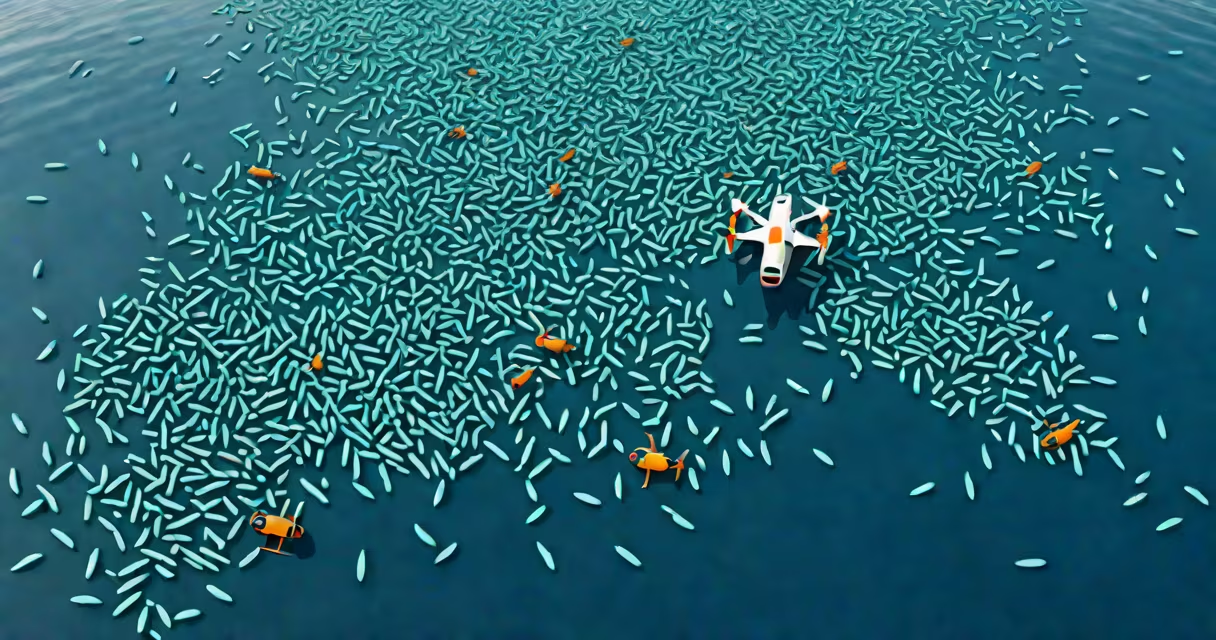
Cleaning up plastic in the ocean refers to deliberate actions to remove plastic waste from marine environments, including surface skimming, seabed collection, and river interception. These efforts aim to reduce harm to marine life, prevent microplastic formation, and restore ocean health. The process combines physical removal, policy enforcement, and innovation.
Plastic enters oceans through rivers, stormwater runoff, fishing gear loss, and improper disposal. Once in water, currents concentrate debris in gyres-vast regions where plastic accumulates. The North Atlantic and South Pacific gyres hold millions of tons of floating plastic. Cleanup systems like The Ocean Cleanup's Interceptor and passive floating barriers capture debris before it spreads further.
These systems rely on natural ocean currents to funnel waste into collection zones. The Interceptor, deployed in rivers like the Klang River in Malaysia, uses solar-powered barriers to trap plastic before it reaches the sea. In open ocean settings, large-scale passive collectors drift with currents, gathering debris over time. A single system can collect up to 100,000 kilograms of plastic annually.
Efforts fall into three categories based on location and mechanism:
| Method | Location | Technology Used | Capacity |
|---|---|---|---|
| River Interception | Estuaries, major rivers | Solar-powered floating barriers, trash traps | Up to 50,000 kg/day per unit |
| Surface Skimming | Ocean gyres, coastal zones | Passive floating nets, autonomous vessels | ~100,000 kg/year per system |
| Seabed Recovery | Shallow coastal areas, seafloor trenches | ROVs, dredging equipment, specialized nets | High cost, limited scale |
Surface skimming systems use long, U-shaped nets anchored to buoys. They float just below the waterline, catching plastic while allowing marine animals to pass through. The Ocean Cleanup's System 002, tested in the Great Pacific Garbage Patch, captured 1.2 million pieces of plastic in its first six months of operation. Data from the project shows that 80% of collected material was larger than 2.5 cm, reducing the risk of ingestion by small fish.
Seabed recovery remains technically challenging due to fragile ecosystems and high operational costs. In 2022, a pilot project off the coast of Indonesia used remotely operated vehicles (ROVs) to collect lost fishing nets and microplastics. The team recovered 320 kg of debris over three weeks, but extraction rates were low due to sediment entanglement and equipment limitations.
Removing plastic from oceans addresses symptoms, not root causes. According to the United Nations Environment Programme (UNEP), 8 million metric tons of plastic enter oceans annually. Even if all current cleanup projects scaled globally, they'd recover less than 1% of annual input. Prevention is more effective than remediation.
For example, a 2023 study published in Nature Communications found that intercepting plastic in just 1,000 major rivers could prevent 80% of ocean plastic. This insight led to the deployment of 120 Interceptors worldwide by 2024. The most successful sites-like the one in Jakarta-reduced downstream plastic flow by 60% within one year.
A common misconception is that cleanup efforts eliminate plastic pollution entirely. In reality, they slow accumulation and reduce immediate risks to species like sea turtles and seabirds. A 2021 report by the World Wildlife Fund documented that 90% of seabirds have ingested plastic. Cleanup reduces exposure but doesn't reverse existing contamination.
The Great Pacific Garbage Patch spans 1.6 million square kilometers, roughly twice the size of Texas. It contains an estimated 1.8 trillion pieces of plastic weighing 80,000 metric tons. Most debris is fragments smaller than 5 mm-microplastics that resist removal.
In 2018, The Ocean Cleanup launched System 001, a 60-meter-long floating barrier designed to collect plastic via natural ocean currents. After initial setbacks due to design flaws, the team redesigned the system with improved anchoring and tension control. By 2022, System 002 had removed over 1 million kilograms of plastic from the patch.
Despite progress, challenges remain. The system collects 40% less plastic than predicted due to wave turbulence and debris dispersion. Researchers estimate that full-scale cleanup of the patch would take over 60 years with current technology. This highlights the need for upstream interventions.
Many assume cleanup systems can remove all plastic from oceans. This is false. Microplastics-fragments under 5 mm-are nearly impossible to filter at scale. They disperse widely and sink into deeper layers. Current methods recover only 20-30% of visible debris.
Another myth is that volunteer beach cleanups solve ocean plastic. While valuable for local awareness, they remove less than 1% of global ocean plastic. A 2020 study in Science Advances showed that 95% of ocean plastic originates from land-based sources, not beaches. Cleaning shorelines reduces litter but does little to stop new inputs.
I once observed a cleanup crew in Bali using hand nets to collect debris from a tidal zone. They gathered 450 kg in four hours. But during a follow-up visit two weeks later, new plastic had washed ashore. The effort was temporary. True impact requires systemic change.