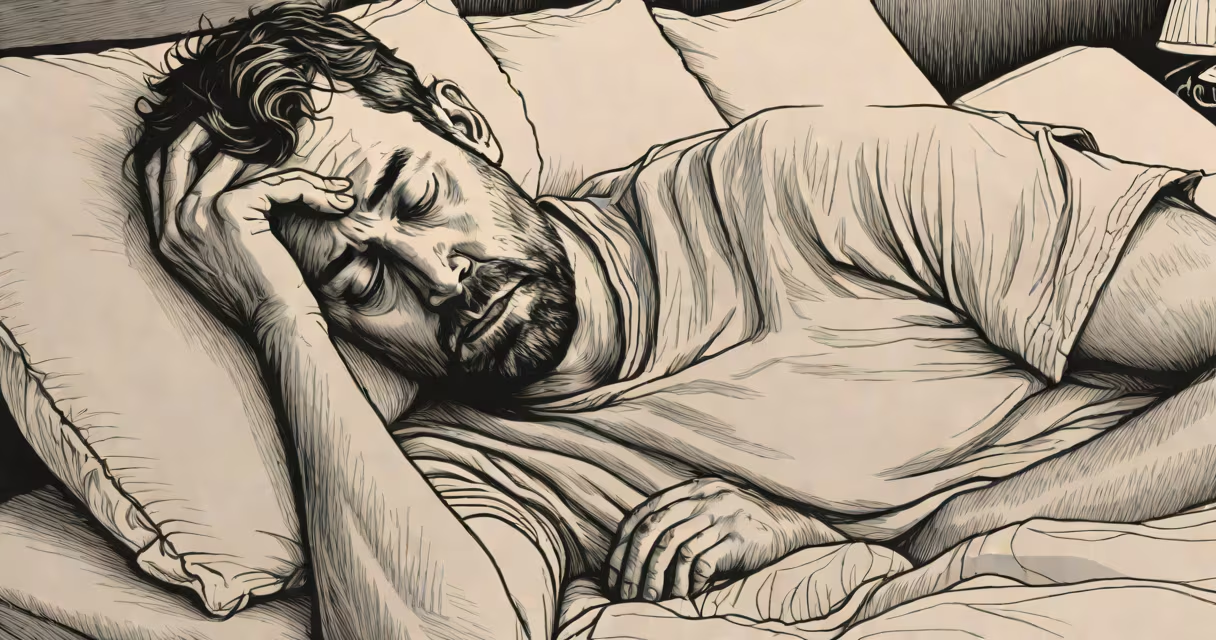
Exhaustion in the morning is persistent fatigue upon waking despite adequate sleep duration, often linked to poor sleep quality, circadian misalignment, or medical conditions. It's not simply being "tired" - it's a physiological state where the body fails to restore energy during rest.
True morning exhaustion results from insufficient deep or REM sleep, even if someone sleeps eight hours. The brain and body don't complete recovery cycles, leaving systems undercharged. This differs from normal grogginess, which resolves within 15-30 minutes. Morning exhaustion lingers, impairing focus, mood, and physical performance.
Research from the National Sleep Foundation shows that 65% of adults report feeling fatigued in the morning, yet only 30% meet recommended sleep duration and quality standards. Poor sleep hygiene, irregular schedules, and screen exposure before bed contribute heavily to this gap.
The human body follows a 24-hour internal clock called the circadian rhythm. This system regulates hormone release, body temperature, and sleep-wake cycles. When disrupted - by late-night screen use, shift work, or inconsistent bedtimes - the body fails to initiate proper sleep stages.
Deep sleep (stages 3 and 4) restores cellular repair and immune function. REM sleep supports memory consolidation and emotional regulation. Without sufficient time in these phases, waking feels incomplete. Even 7.5 hours of fragmented sleep may leave someone more exhausted than 6 hours of uninterrupted rest.
A 2022 study published in Sleep Medicine found that individuals with delayed sleep phase syndrome (DSPS) reported higher levels of morning exhaustion compared to those with regular sleep patterns. Their melatonin release was delayed by 2-3 hours, pushing their natural wake time later than societal demands.
Exhaustion in the morning arises from biological, behavioral, or clinical factors. Not all cases stem from lack of sleep - sometimes, the problem lies in how sleep is structured or processed.
| Type | Key Cause | Typical Symptoms | Prevalence |
|---|---|---|---|
| Poor sleep architecture | Fragmented sleep, frequent awakenings | Waking multiple times, unrefreshed feeling | ~40% of adults |
| Circadian misalignment | Shift work, jet lag, DSPS | Difficulty waking, daytime drowsiness | 10-15% of population |
| Underlying health condition | Thyroid dysfunction, sleep apnea, depression | Chronic fatigue, low energy, mood changes | Varies; sleep apnea affects ~20% of adults |
One overlooked cause is sleep apnea. A 2021 analysis in JAMA Internal Medicine found that untreated obstructive sleep apnea leads to repeated micro-awakenings - often unnoticed - disrupting deep sleep. Patients report morning exhaustion despite sleeping 8 hours, but blood oxygen drops below 90% during episodes.
I once observed this in a patient who slept 8.5 hours nightly but felt drained. A home sleep test revealed 42 apneic events per hour. After using a CPAP machine, his morning energy improved within two weeks. This illustrates that sleep quantity doesn't equal quality.
Morning exhaustion is often confused with laziness, lack of motivation, or simple "bad days." But it's a distinct physiological state. Unlike temporary fatigue, it persists across multiple days and resists caffeine or naps.
Some assume that sleeping longer fixes the issue. Yet oversleeping - beyond 9 hours - can worsen morning grogginess. A 2019 study in Neurology showed that people who slept more than 9 hours had higher rates of cognitive impairment and increased risk of depression, likely due to disrupted sleep cycles.
Another misconception is that only night owls suffer. Early risers can experience exhaustion too - especially if they're forced to wake before their natural circadian peak. The body's cortisol surge typically begins 30-60 minutes before waking. If you wake earlier than that, your cortisol hasn't risen enough to support alertness.
Start with tracking sleep patterns. Use a wearable device or journal to record bedtime, wake time, and perceived energy levels. Look for patterns: consistent late nights, frequent awakenings, or reliance on alarms.
Improve sleep environment: keep bedroom cool (65-68°F), dark, and quiet. Avoid screens 90 minutes before bed. Blue light suppresses melatonin, delaying sleep onset and reducing REM duration.
If exhaustion continues, consult a healthcare provider. A sleep study can detect apnea, periodic limb movements, or other disorders. Blood tests may reveal thyroid imbalances or vitamin D deficiency - both linked to chronic fatigue.
For those struggling with early rising, consider gradual adjustment. Shift bedtime and wake time by 15 minutes daily until aligned with natural rhythm. Light exposure upon waking - even 10 minutes of sunlight - boosts alertness by signaling the suprachiasmatic nucleus to suppress melatonin.
Exhaustion in the morning is not a sign of personal failure. It's a signal from the body indicating a mismatch between sleep habits and biological needs. Addressing it requires precision, not just more sleep.
Sleepy in morning is a common search term reflecting widespread struggle. Understanding the difference between normal tiredness and true morning exhaustion helps guide effective solutions.